Baths are cherished for many reasons: they help wash away the fatigue of the day, relax the body, and calm the nervous system. But their benefits don’t stop there — a properly chosen bath can noticeably improve the condition of your skin. While colorful bath bombs, fragrant salts, and exotic bathing rituals are all the rage today, there is something truly alluring and luxurious about a classic milk bath.
Perhaps it’s due to its centuries-old reputation in the beauty world and its legendary admirers — including Cleopatra herself. It’s no wonder that milk baths continue to inspire modern beauty trends, from skincare routines to nail art aesthetics. Or maybe the secret of their popularity lies in their gentle yet effective effects: a milk bath delicately moisturizes the skin, soothes it, and provides a comforting sensation.
In this article, you’ll find everything you need to know about at-home milk baths: their benefits for the skin, important usage tips, and a step-by-step guide to help you create your own milk beauty ritual at home.
What is a milk bath?
A milk bath is exactly what it sounds like: a warm bath with a small amount of liquid or powdered milk and other skin-beneficial ingredients added. Although the bath’s base is water, just one or two cups of milk are enough to feel its soothing effect. This minimalist, time-tested practice nourishes even the most sensitive skin, allowing the top layer to absorb milk fats along with water and any additional oils.
Benefits of a milk bath
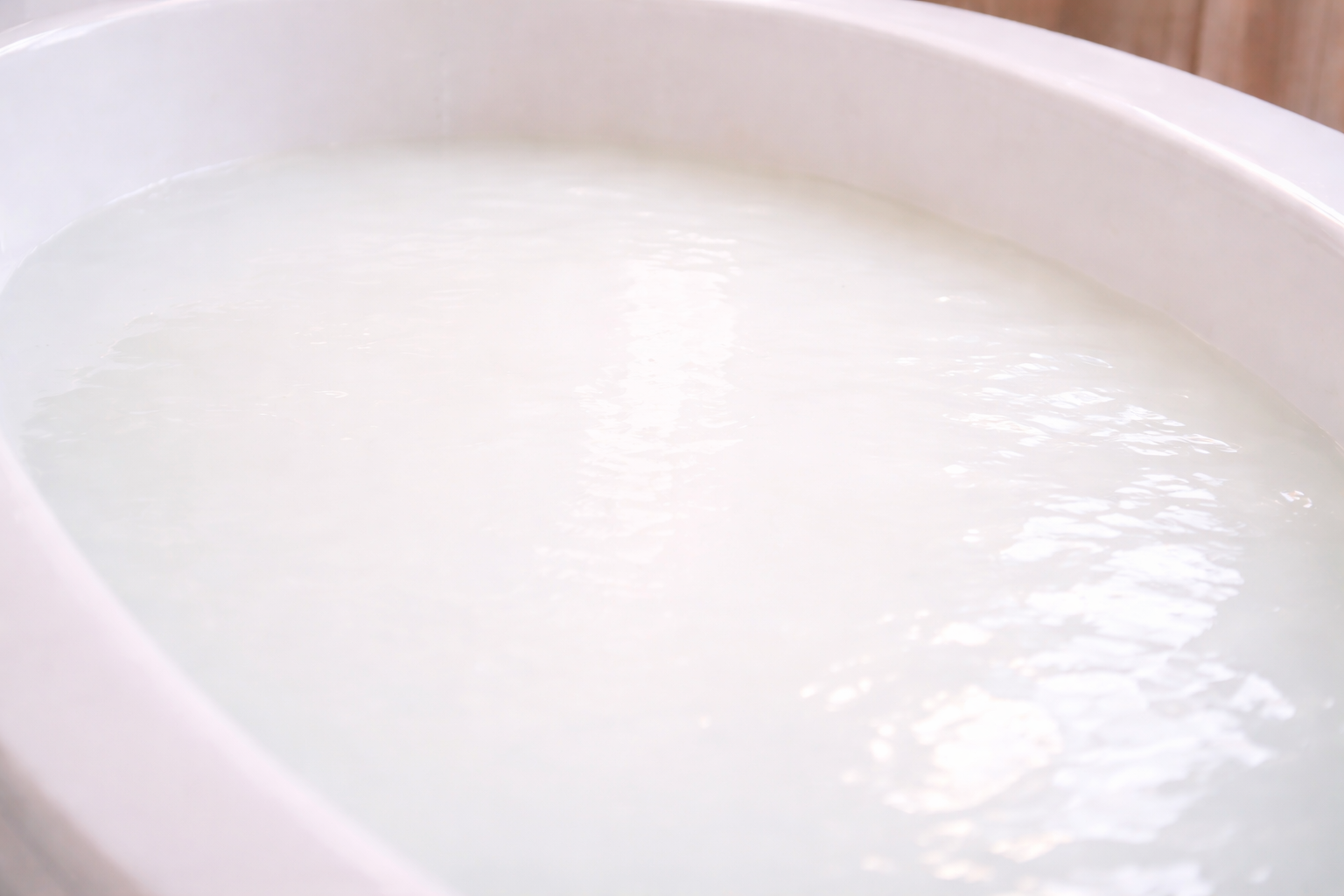
Milk has been used in baths for centuries due to its unique cosmetic properties. It is said that even Nefertiti regularly took milk baths. Milk helps soothe the skin after contact with poison ivy or sunburn, softens dead skin cells, makes the skin smoother and more hydrated, and reduces inflammation. To enhance the effect, oats—known for their strong anti-inflammatory properties—can be added to the milk. However, people with sensitive skin should be cautious, as milk baths can sometimes cause irritation.
Unlike showers, baths allow the skin to absorb moisture more effectively, leaving it better hydrated. Using certain types of milk—such as buttermilk or oat milk—can further enhance the soothing effect and help combat inflammation and itching.
Ingredients for a Milk Bath
Preparing a milk bath is very simple and uses natural ingredients that you likely already have at home. To start, prepare the following ingredients:
• 1–2 cups of milk (your choice, depending on the size of the bathtub)
• Warm water
• 1 cup of oatmeal
• 1/2 cup of oil
• Essential oils
• 1 cup of Epsom salt
• Warm water
• 1 cup of oatmeal
• 1/2 cup of oil
• Essential oils
• 1 cup of Epsom salt
How to Prepare and Enjoy a Milk Bath
1. As with any bath, the first step is to fill the tub with water. The optimal temperature is lukewarm: water that is too hot or too cold can dry out the skin, so it’s best to avoid extremes.
2. Once the bath is ready, add one to two cups of milk to the water for extra skin hydration. Cow’s or goat’s milk are the most popular choices, but many dermatologists recommend using whole milk or buttermilk, as they contain more lactic acid, which gently exfoliates and nourishes the skin. The fats in milk form a light coating on the skin, leaving it soft and smooth without feeling greasy.
If you prefer to avoid dairy products, powders made from soy, almond, oat, or coconut milk are excellent alternatives. They provide softness and nourishment while retaining all the benefits of a classic milk bath.
3. This step is optional, but oatmeal can be a great addition—or sometimes a safe alternative—for soothing dry or itchy skin.
4. Also optional, you can add a small amount of lightly warmed coconut oil or another plant-based oil, such as avocado, jojoba, or olive oil, for extra hydration. Be aware that the mixture may become slightly slippery, so exercise caution when using oil in a milk bath.
5. If you have Epsom salt, feel free to add it to the milk bath—half a cup is sufficient, or a full cup if desired. Epsom salt is known for its relaxing and therapeutic properties: it helps reduce inflammation, supports toxin removal from the skin, and relaxes muscles. This home ritual is especially beneficial for joint pain and fatigue after physical activity.
6. Some people like to enhance the scent of the milk bath by adding a few drops of essential oil, such as lavender. Be cautious, especially if you have sensitive skin. Essential oils can cause strong allergic reactions, so they should only be used after confirming you do not have an individual intolerance.
7. Before immersing yourself in the milk bath, gently stir the water with the added ingredients using your hand. Then get comfortable and fully relax. For maximum benefit, it’s recommended to stay in the bath for 20–30 minutes.
8. After the bath, it’s recommended to take a shower to rinse off any remaining residue. This helps prevent milk film from forming on the skin.
Side Effects of a Milk Bath
Any potential negative effects of a milk bath are usually related to individual reactions to certain ingredients. People with heightened sensitivity to milk may experience skin irritation or an allergic reaction. Additionally, essential oils added to the bath can sometimes trigger increased sensitivity in certain skin types. Water that is too hot can disrupt the skin’s natural moisture balance, potentially worsening dryness, causing redness, flaking, or even burns. If you have sensitive or reactive skin, it is recommended to consult a doctor before taking a milk bath.
Alternatives
Colloidal oatmeal is a widely recommended option for soothing and nourishing the skin, whether used as part of a milk bath or as a standalone treatment. It consists of finely ground oats and is often combined with other calming ingredients. Colloidal oatmeal is usually sold in sachets: simply add the contents to warm water to create a gentle and relaxing bath.
Its benefits for the skin are multifaceted. Colloidal oatmeal has anti-inflammatory properties, deeply moisturizes, and even provides mild protection against UV rays. Many of these effects are attributed to phenolic compounds—avenanthramides—found in oats. Hydration and soothing effects are achieved thanks to oat-derived sugars, such as starch and beta-glucan, which form a protective layer on the skin’s surface and reduce moisture loss.
⸻
Milk baths are a time-tested way to soothe dry and irritated skin. They are easy to prepare at home using natural ingredients that you likely already have on hand. While some components, such as milk or essential oils, may cause irritation in people with sensitive skin, the bath recipe can be easily adapted to your needs. Overall, if you’re looking for a home remedy to nourish and calm your skin, a milk bath can be not only effective but also a pleasant, meditative self-care ritual.
Body Care – The Best Products for Silky Smooth Skin
Body Care – The Best Products for Silky Smooth Skin