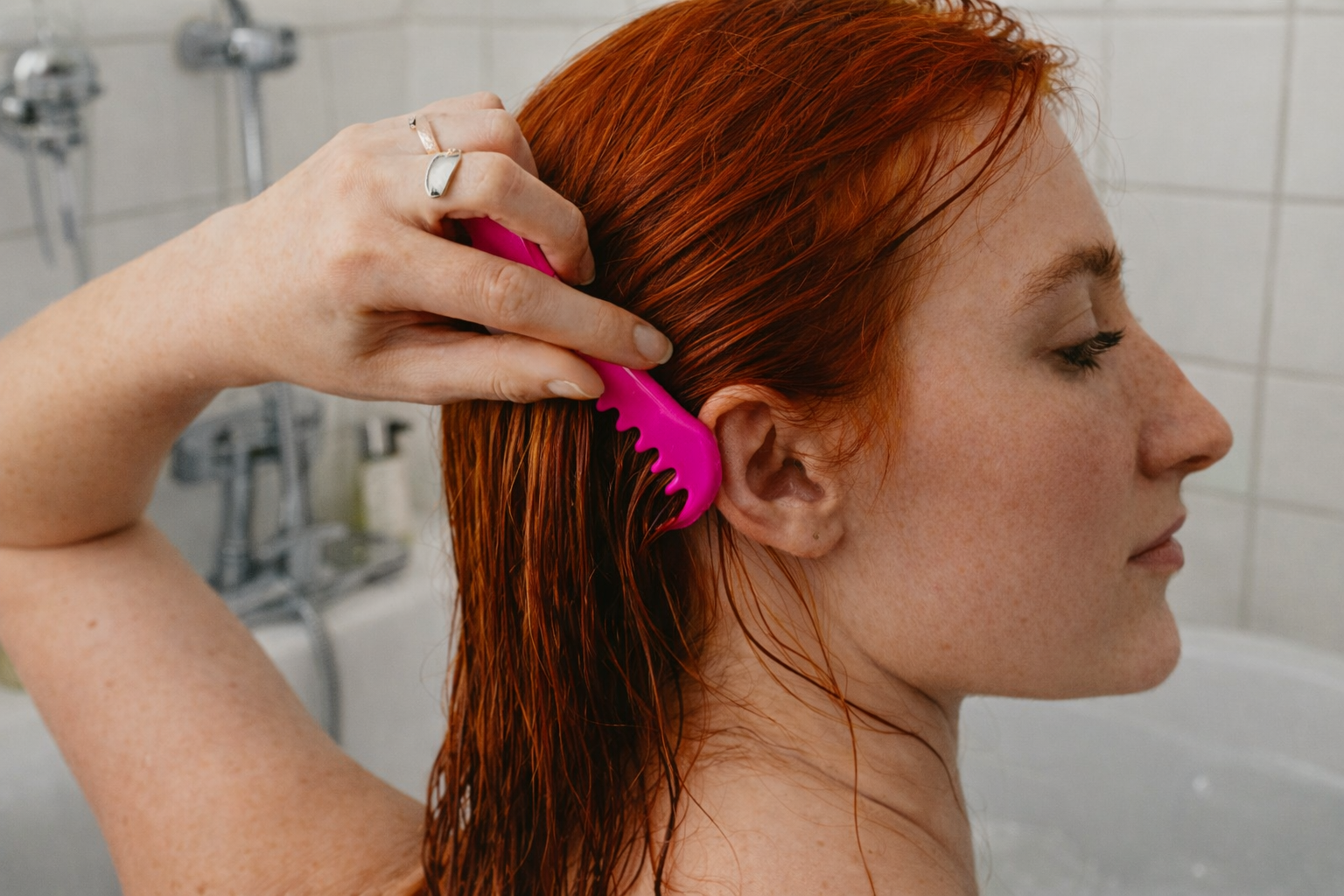
Winter is a true challenge for the body. Short daylight hours, cold air, and dry indoor environments affect not only overall well-being but also appearance: the skin loses moisture, lips become chapped, and many people notice increased hair shedding.
Some seasonal changes are easy to explain — lower vitamin D levels, mood swings, and symptoms of seasonal affective disorder. However, it may come as a surprise that cold weather itself can “trigger” increased hair loss. Nevertheless, for a large number of people, this problem becomes particularly relevant during the frosty months.
To understand why this happens, it is important to explore the scientific mechanisms behind winter hair shedding and how seasonal changes influence the hair growth cycle. Most importantly, it is useful to know what practical measures can help maintain scalp health and hair density during the colder months.
Is it true that more hair falls out in winter?
The phenomenon of winter hair shedding is widely observed, although there are no confirmed clinical studies on the subject yet. Despite the lack of substantial scientific research dedicated to seasonal hair loss, numerous observations and reports suggest that this tendency does exist. Some studies point to seasonal fluctuations in the intensity of hair shedding, but a direct link specifically to winter has not yet been established.
Why does it seem like more hair falls out in winter?
Hair shedding is directly related to the hair growth cycle, which includes four stages: anagen (active growth phase), catagen (transitional phase), telogen (resting phase), and exogen (shedding phase). During the telogen phase, hairs are already fully formed and securely anchored in the scalp, essentially “resting” before they fall out and make way for new hair in the next cycle.
In summer, the body may retain more hair to protect the scalp from ultraviolet radiation. As part of the natural growth cycle, this hair may shed in winter, although this largely depends on the local climate and individual levels of sun exposure. Experts explain that increased sunlight in summer can stimulate the transition of hair into the telogen phase, possibly as an evolutionary mechanism for extra protection against the sun.
Nevertheless, the most likely reason for increased winter hair shedding is related to environmental conditions. Normally, a person loses 50–100 hairs per day, and if you brush or wash your hair less frequently, shedding becomes more noticeable. Cold weather is often accompanied by reduced sweating, so hair is washed less often. Additionally, dry winter air strips the scalp and hair of moisture, making hair more brittle and vulnerable.
In summer, the body may retain more hair to protect the scalp from ultraviolet radiation. As part of the natural growth cycle, this hair may shed in winter, although this largely depends on the local climate and individual levels of sun exposure. Experts explain that increased sunlight in summer can stimulate the transition of hair into the telogen phase, possibly as an evolutionary mechanism for extra protection against the sun.
Nevertheless, the most likely reason for increased winter hair shedding is related to environmental conditions. Normally, a person loses 50–100 hairs per day, and if you brush or wash your hair less frequently, shedding becomes more noticeable. Cold weather is often accompanied by reduced sweating, so hair is washed less often. Additionally, dry winter air strips the scalp and hair of moisture, making hair more brittle and vulnerable.
How to prevent hair loss and breakage in winter
Hair loss, regardless of the cause, is always stressful for the body and affects your appearance. Below are proven tips to help protect your hair in winter, reduce breakage, and maintain healthy locks.
1. Avoid hot water
There’s nothing more comforting than a hot shower on a cold winter day, but it can negatively affect the condition of your hair and scalp. Try to avoid water that is too hot, as it can strip your hair and scalp of natural oils. Instead, opt for comfortably warm water, or lower the temperature before washing your hair if you want to enjoy a hot shower.
2. Keep dry hair moisturized
The dry winter air actively dehydrates the scalp and hair, making them brittle and prone to damage. That’s why it’s especially important to keep your hair moisturized. Apply conditioner after every wash — this helps prevent breakage, thinning, and hair fractures. For extra care, use a moisturizing mask: it deeply nourishes the hair, makes it soft and elastic, and protects it from the harmful effects of the environment.
3. Try to avoid using hot styling tools whenever possible
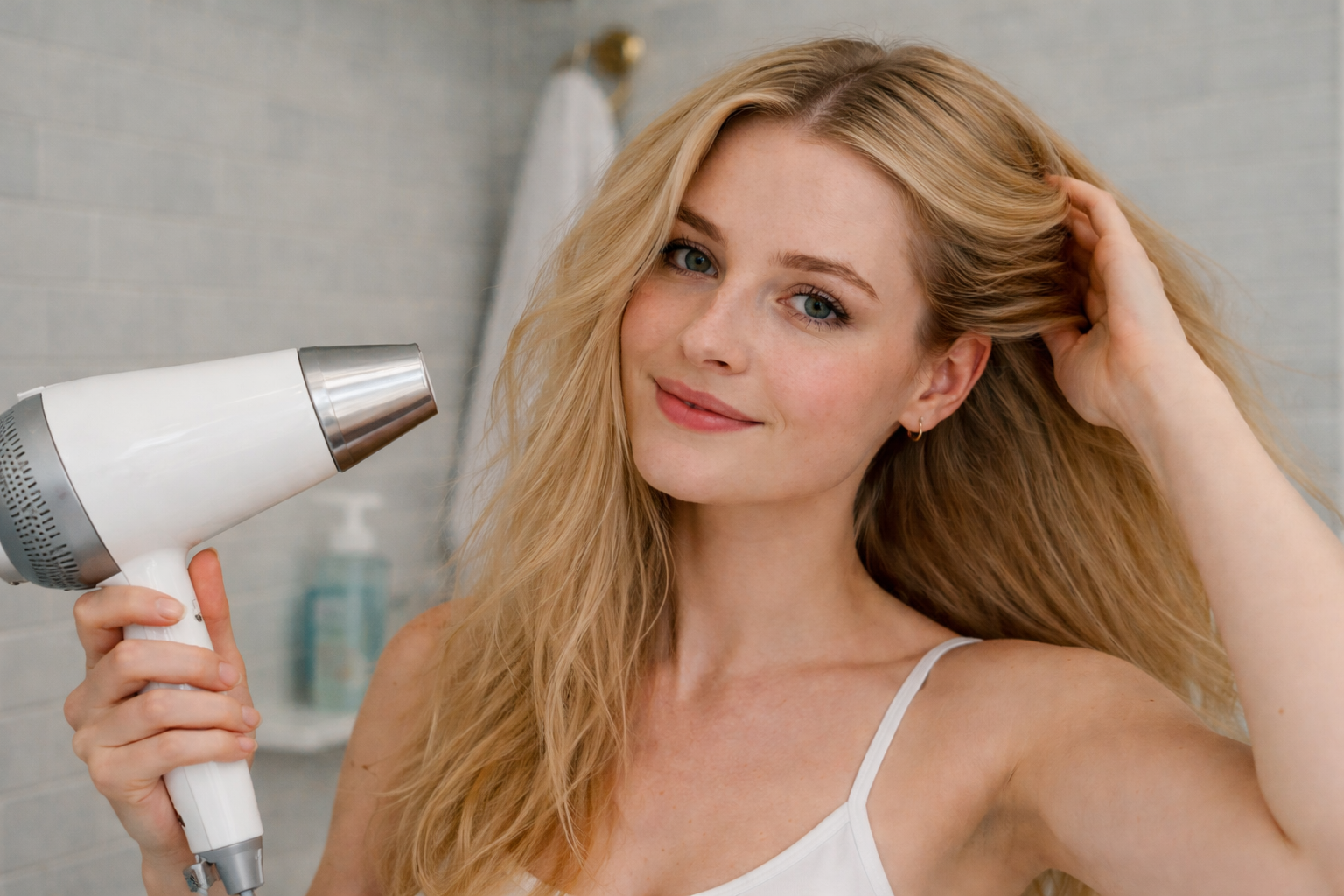
Whenever possible, let your hair air-dry naturally or use heat styling tools at the lowest temperature. Hair dryers, hot brushes, and curling irons can weaken the hair structure and increase breakage, so try to limit heat styling. If you do use a hair dryer, straightener, or curling iron, always apply heat-protective products—they help maintain hair health and prevent damage.
4. Don’t go outside with wet hair
This is not a myth—going outside with wet hair in winter can actually be harmful. It is especially damaging to the hair itself: at temperatures below freezing, water on the hair can freeze, and the expansion can cause breakage and split ends. Therefore, always wash your hair in advance and dry it thoroughly before going out into the cold, especially in extreme winter conditions.
5. Don’t comb wet hair
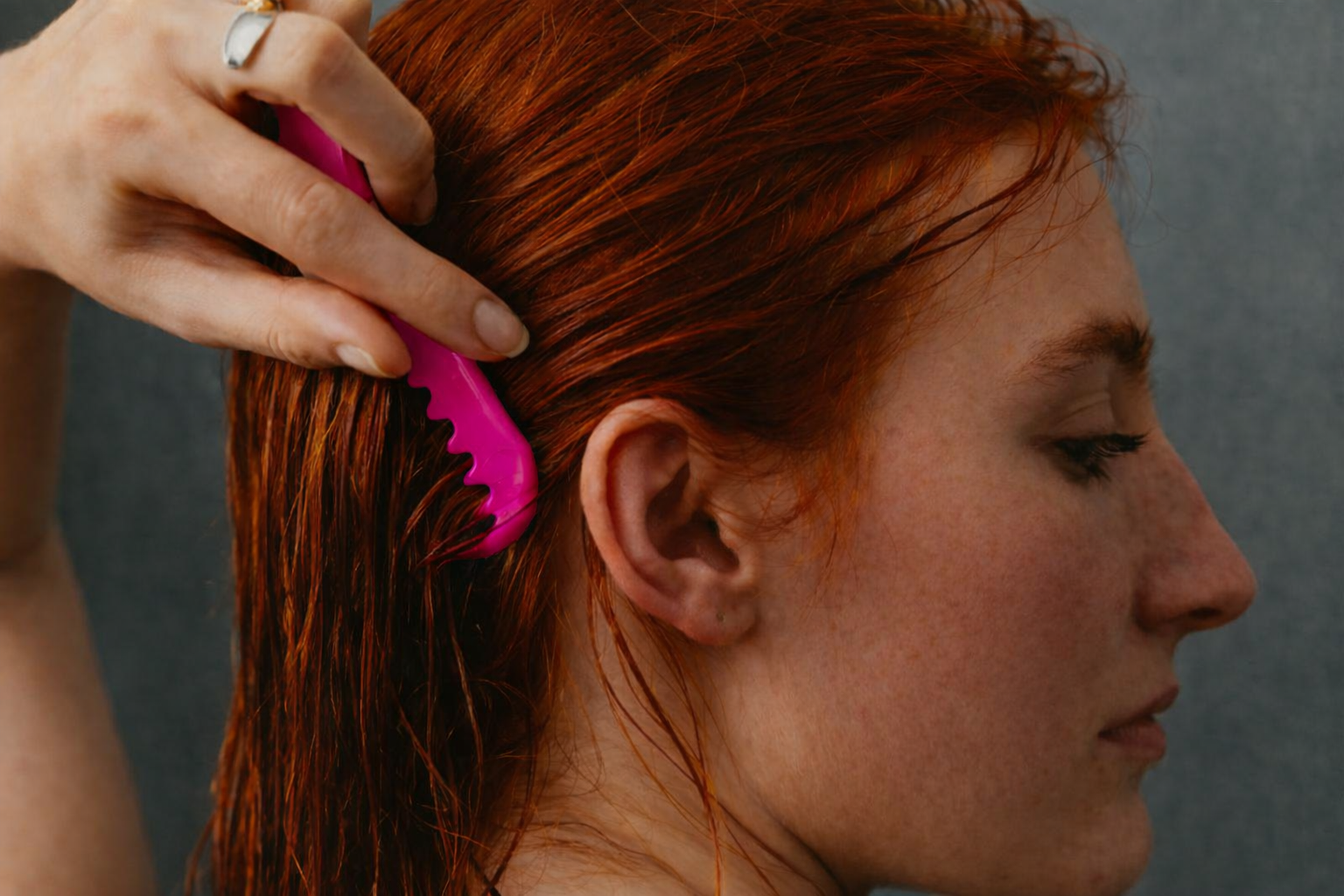
Although recommendations may vary depending on hair type, in general, combing wet strands increases the risk of damage. Hair becomes more fragile, so it’s best to avoid combing immediately after washing. If you need to detangle knots, do it while in the shower, while the hair still has conditioner on it. Using a wide-tooth comb, the slippery texture of the conditioner helps minimize breakage and allows you to gently detangle the strands before they are completely dry.
6. Use Leave-In Moisturizing Products
For maximum hair hydration during the winter, it is recommended to use leave-in products. Adding moisturizing ingredients to scalp care helps strengthen hair from the roots and protects it from breakage and hair loss. Leave-in products, such as sprays with rosemary oil, caffeine, and niacinamide, contain scientifically proven ingredients: they strengthen hair, stimulate growth, and prevent thinning. This is a simple and quick way to enhance your daily hair care routine while maintaining the health of both hair and scalp.
Also, pay attention to combing your hair — choose a high-quality comb for better care.