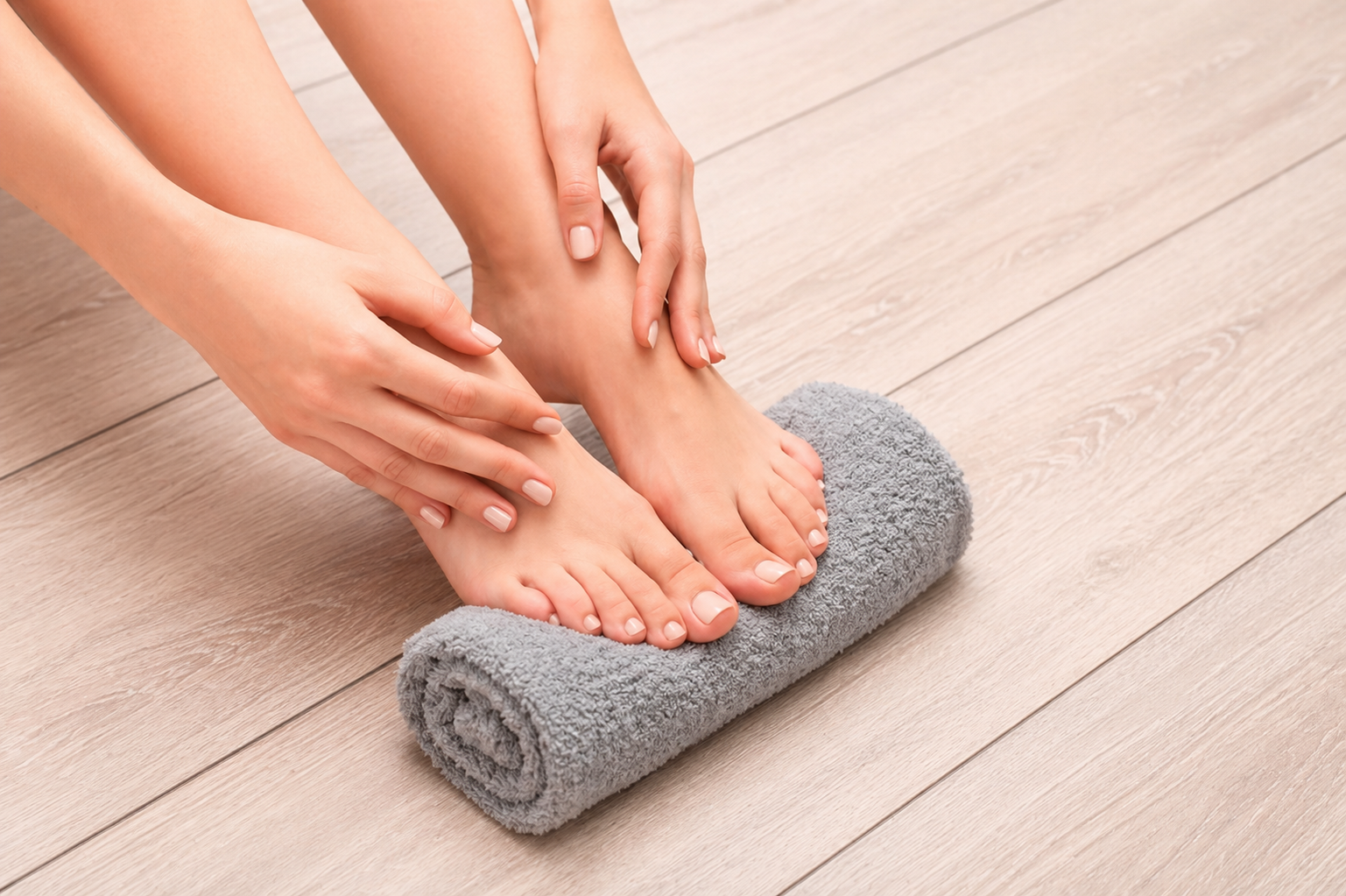
Stylish shoes look beautiful. But almost always, they come with a compromise between appearance and comfort. Narrow toe boxes, heels, and stiff materials all lead to the same result: blisters, calluses, and rough skin that can ruin even the most careful pedicure.
The good news: you can get rid of this problem at home — quickly, affordably, and without aggressive procedures. The key is knowing what actually works.
Here are 5 proven remedies recommended by podiatrists.
Lemon

Citric acid works as a gentle natural exfoliant: it gradually dissolves dead skin cells, making the skin smoother and calluses noticeably softer.
For use, cut a small piece of lemon peel (about 2–3 cm), place it with the pulp side on the affected area, secure it with a bandage, and wear cotton socks. It’s best to leave this compress overnight. After just a few days of regular use, the skin will noticeably renew and become softer and more well-groomed.
Important: if there are cracks, wounds, or irritation on the skin, it’s better to avoid this method temporarily to prevent worsening the condition.
Epsom salt
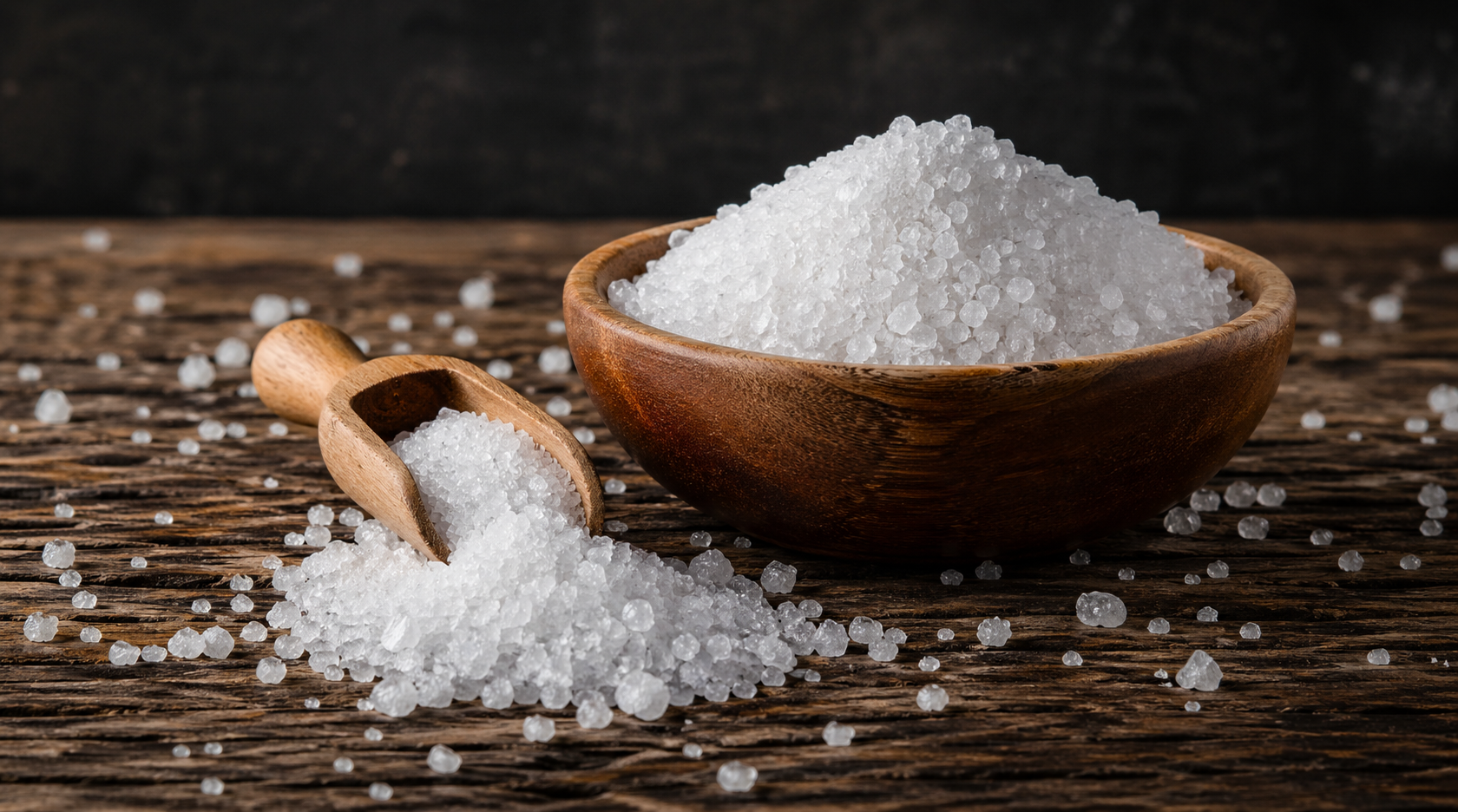
Magnesium sulfate helps weaken the bonds between dead skin cells, gradually making the skin softer. It also improves blood circulation and speeds up the natural skin renewal process.
For the procedure, dissolve the salt in warm water and soak your feet for about 10–30 minutes. After that, the skin becomes softer and can easily be treated with a pumice stone or foot file.
Even after the first use, the feet look noticeably softer and more cared for.
Baking soda
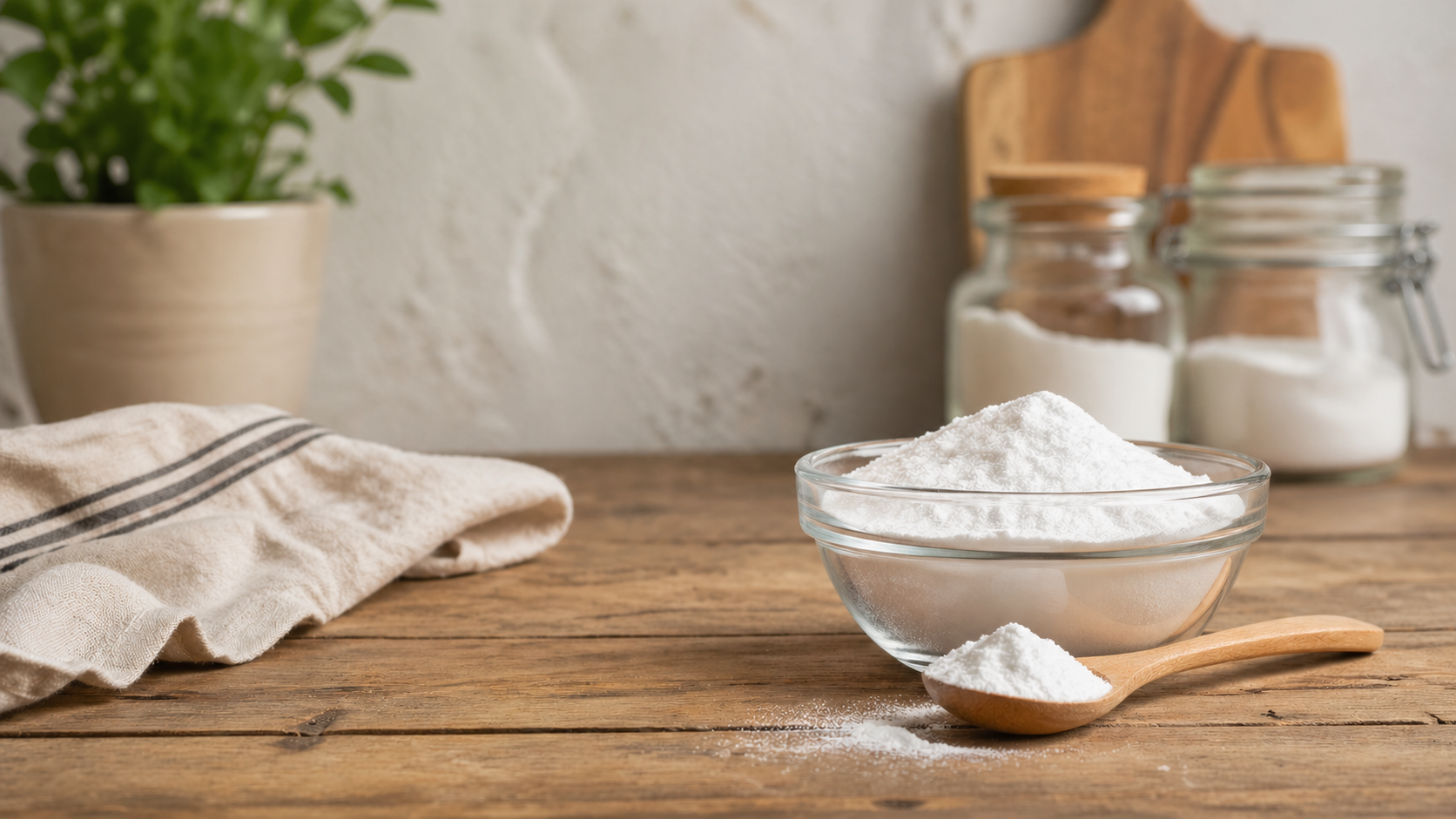
If you don’t have Epsom salt, baking soda can easily replace it — the effect is quite similar, especially in softening rough skin.
Just add 2–3 tablespoons of baking soda to a warm foot bath and soak your feet for 15–20 minutes. After that, dead skin can be easily removed with a pumice stone or foot file.
Important: this method should not be used if there are inflammations, cracks, or skin damage, to avoid worsening the condition.
Apple cider vinegar

Most professional callus treatments work thanks to acids — most often salicylic acid, which gently dissolves dead skin cells. Apple cider vinegar works on the same principle, making it an affordable at-home alternative.
To use it safely, soak a cotton pad in vinegar and gently apply it to the callused area for 5–10 minutes, then carefully treat the softened skin.
It’s important to remember that acid affects not only rough skin but also healthy skin, so it should not be left on too long. If burning or strong discomfort occurs, the product should be washed off immediately to avoid irritation.
Castor oil
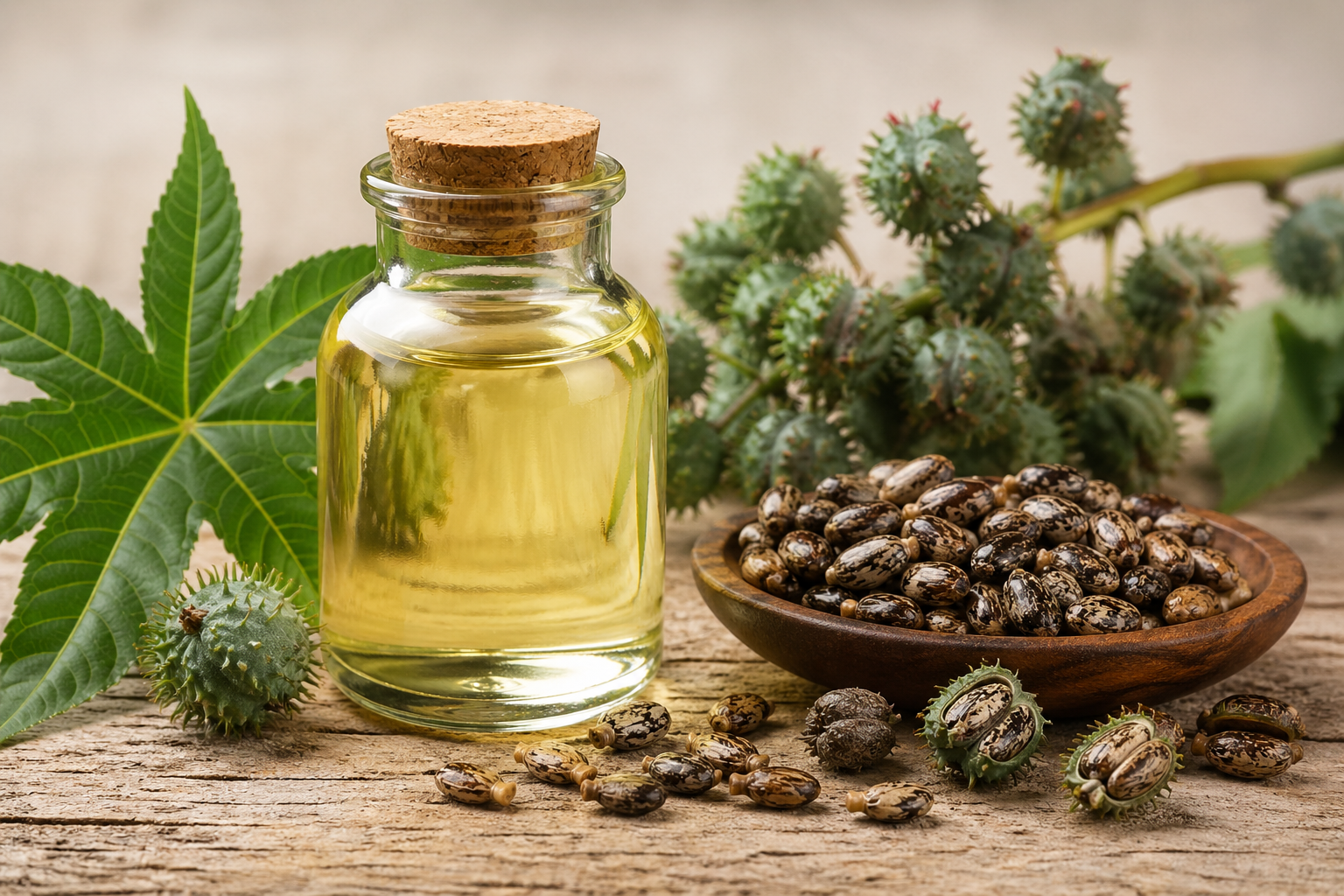
Castor oil is an underrated but effective remedy for calluses and hardened skin. It is composed of about 85% ricinoleic acid, which gently softens rough skin, and together with other fatty acids allows the oil to penetrate deeper into the tissue.
In addition to softening, it nourishes the skin, reduces dryness, and helps heal cracks, leaving the heels more well-groomed.
Usage is simple: apply a few drops to the affected area, place cotton over it, secure with a plaster, and leave for several hours or overnight (preferably with socks).
Important: apply locally, as the oil also affects healthy skin. After just a few uses, the skin becomes softer and calluses are easier to remove.