Many of the symptoms of dehydration, such as fatigue, headaches, and muscle cramps, are familiar to most of us. However, dehydrated facial skin can be harder to recognize, as it is often mistaken for dry skin. Although these terms are frequently used interchangeably, there is an important difference between the two.
How can you identify dehydrated skin, tell it apart from dry skin, and choose the right skincare routine? Read our latest article to discover the main signs of dehydrated skin and how to restore its moisture balance.
What Is Dehydrated Skin?
Dehydrated skin is skin that lacks moisture. It loses water when the body uses more fluids than it takes in. Several factors can contribute to this condition:
• Not drinking enough water: Throughout the day, the body loses water through physical activity, sweating, urination, and even breathing. That's why it's important to drink water regularly to replenish fluid levels. When the body loses more fluid than it takes in, the risk of dehydration increases.
• Insufficient skin hydration: For some people, especially those with a compromised skin barrier, drinking enough water alone may not be sufficient to prevent skin dehydration. In these cases, regularly using moisturizers that help lock in moisture can significantly improve the skin's condition.
• Living in a hot or dry climate: In hot, arid regions, moisture evaporates from the skin's surface more quickly than in moderate climates with higher humidity. This can lead to skin dehydration. Indoor heating during winter has a similar effect, accelerating moisture loss from the skin's surface.
Skin dehydration can also be caused by hot showers, lack of sleep, harsh soaps, and unsuitable skincare products.
How to Recognize Dehydrated Skin
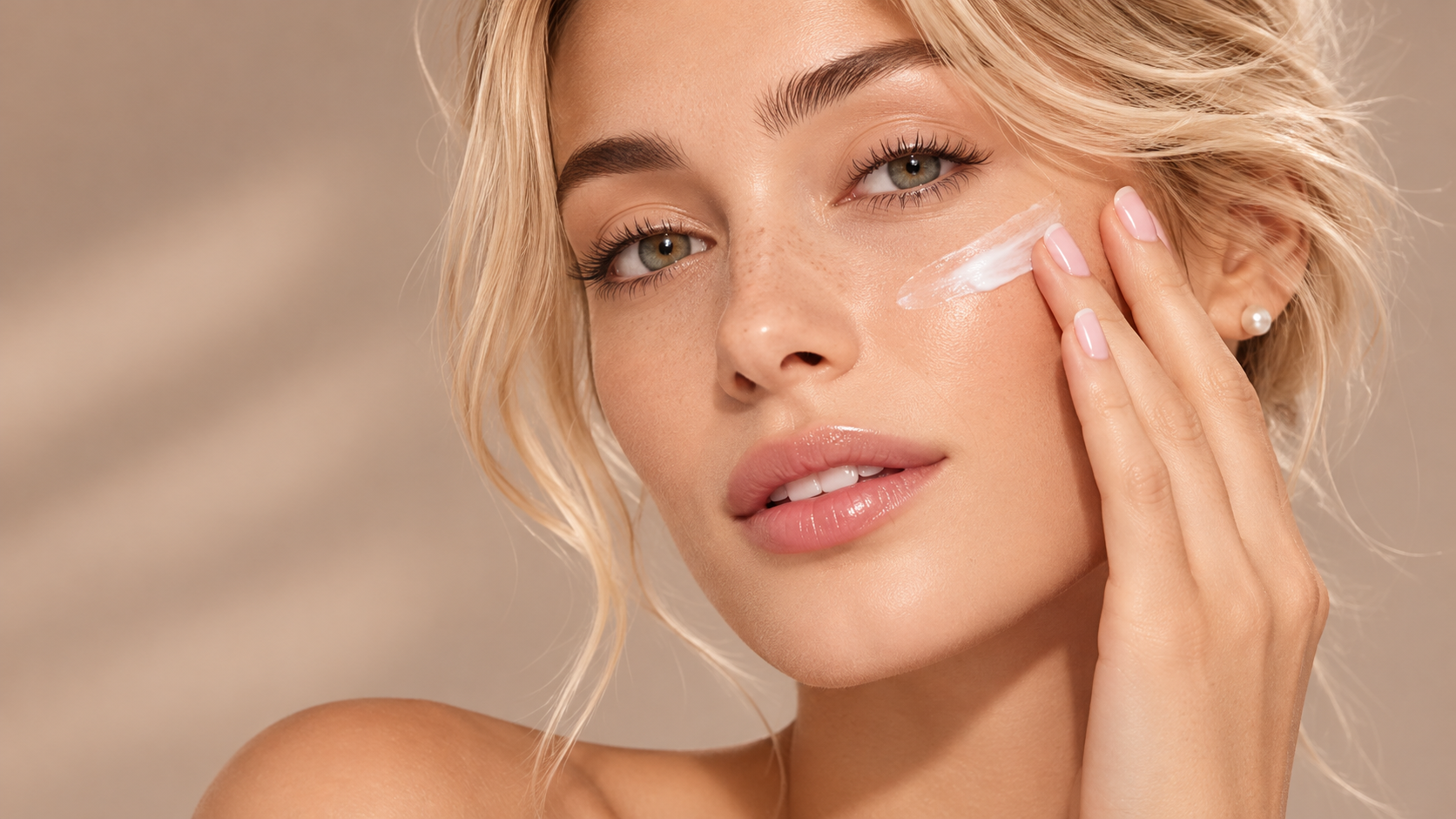
Dehydrated skin may feel tight, become rough or dry, start flaking, and lose its natural glow. Itching and dark circles under the eyes may also appear, while fine lines and creases can become more noticeable.
Moisture is essential for maintaining the skin's protective barrier. When moisture levels are low, the barrier's protective functions may weaken or become compromised. Without proper care, this can contribute to skin barrier damage and conditions such as eczema, skin infections, acne, and psoriasis.
Since dehydration affects the entire body, other symptoms unrelated directly to the skin may also occur, including dizziness and feeling faint.
Dry vs. Dehydrated Skin: What's the Difference?
Dry and dehydrated skin can share similar symptoms, but they are two different conditions. Dry skin is not necessarily dehydrated, and dehydrated skin is not always dry.
Dry skin is a skin type, just like oily or combination skin. Dehydration, on the other hand, is a temporary condition caused by a lack of water in the outermost layer of the skin. With the right skincare routine, it can be improved.
Dehydration can affect any skin type, including oily and combination skin. You can try a simple test to check for it: gently pinch the skin on the back of your hand and hold it for a few seconds. If it takes a while to return to its normal shape, your skin may be lacking moisture.
Dry skin is associated with insufficient sebum production. Sebum helps keep the skin healthy and protects it against moisture loss. As we age, sebum production may decrease, making the skin more prone to flaking and irritation.
When caring for dry skin, moisturizing products are essential, while dehydrated skin needs its moisture levels replenished. Dry skin benefits from richer, thicker formulas, whereas dehydrated skin responds well to water-based products.
How to Care for Dehydrated Facial Skin
• Stay hydrated: Drinking enough water is an important step toward restoring dehydrated skin. The recommended amount depends on your body weight, activity level, and other factors, but a general guideline is six to eight 8-ounce glasses of water per day. You can also add electrolytes to your drinks to support hydration and replenish minerals. Don't forget to include water-rich fruits and vegetables in your diet.
• Get enough sleep: Quality sleep is essential for healthy skin, so aim for at least 7–8 hours each night.
• Moisturize your skin: Choose products containing emollients that help lock in moisture. Look for ingredients such as hyaluronic acid, squalane, ceramides, and glycerin, which help strengthen the skin barrier and maintain hydration. We recommend the Vitamin C Serum by Global Fashion. The hyaluronic acid in its formula deeply hydrates the skin, helps maintain moisture, and leaves it soft and silky. The serum helps prevent tightness, dryness, and discomfort. For best results, apply it immediately after showering to lock in moisture.
• Reassess your skincare routine: Choose products according to your skin's needs and avoid those that may cause irritation. Some skincare products can actually contribute to dehydration. Take a break from drying, irritating, and exfoliating products for a few weeks while your skin restores its optimal moisture levels.
• Use a humidifier: If you live in a hot, dry climate, a humidifier can help maintain comfortable indoor humidity levels and prevent your skin from drying out.
• Use a humidifier: If you live in a hot, dry climate, a humidifier can help maintain comfortable indoor humidity levels and prevent your skin from drying out.
Dehydrated skin may look dull, become flaky, and develop more noticeable fine lines and creases. Itching and dark circles under the eyes may also occur. To restore moisture levels, make sure you drink enough water and use hydrating skincare products. Getting sufficient sleep and using a humidifier at home can also help.
Up to 90% off facial skincare products for Black Friday! The promotion is valid from November 1 to 30, 2026. Choose your favorite skincare products and enjoy great prices at Global Fashion!
Give them a try