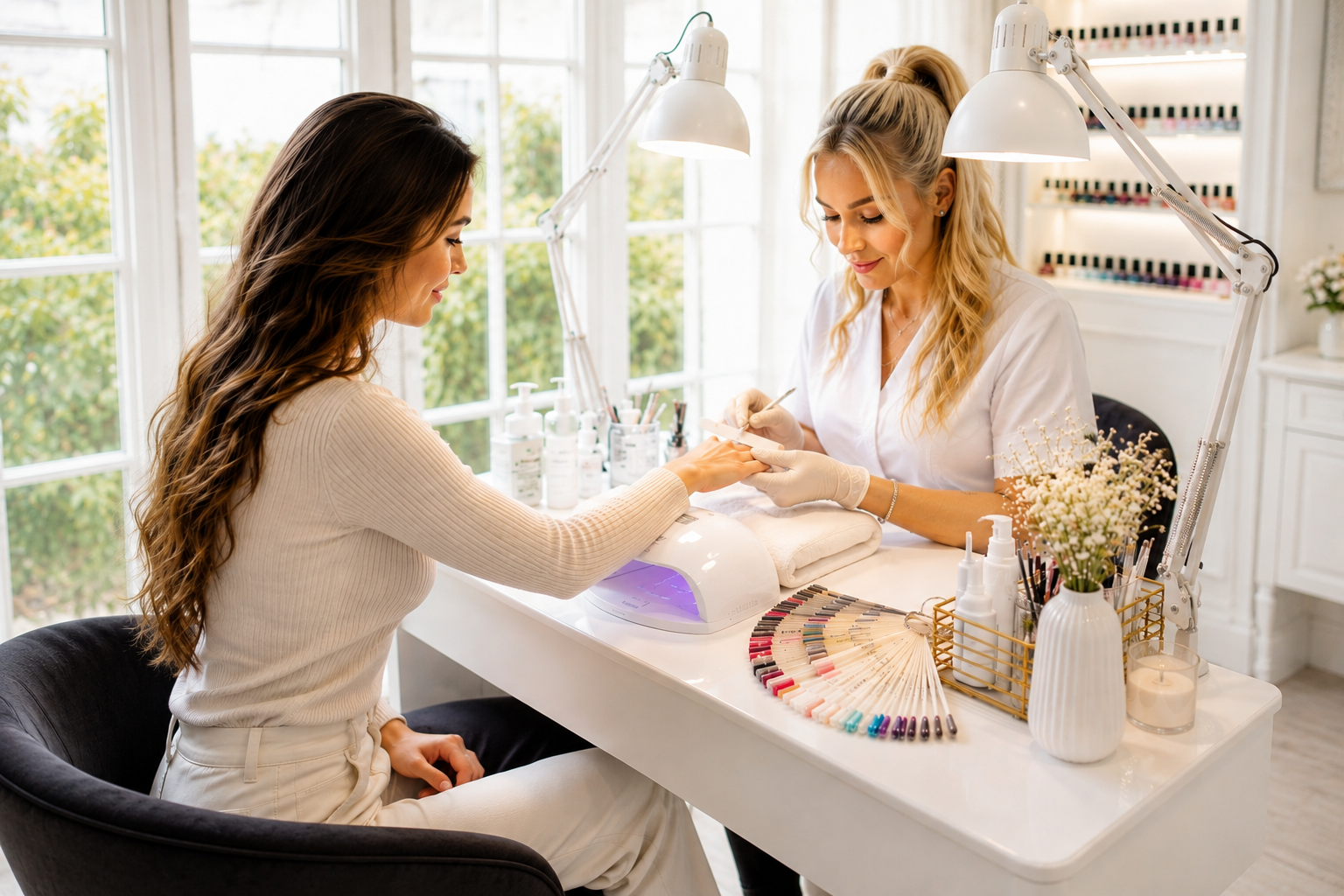
Despite the large number of nail salons available, many people still prefer to do their manicures themselves or visit a nail technician they know. However, perhaps you have finally decided to visit a salon — choosing a place that is more comfortable, professional, and perhaps a little more premium.
When we hear the words “nail salon,” we usually imagine a place that combines comfort, beauty, and professional care. However, even a salon that looks good at first glance can have hidden risk factors.
That is why, before booking a manicure, we recommend reading this article. Here, you will learn about the potential dangers of nail salons and get practical tips to help you choose a truly good and safe salon.
Instrument Sterilization
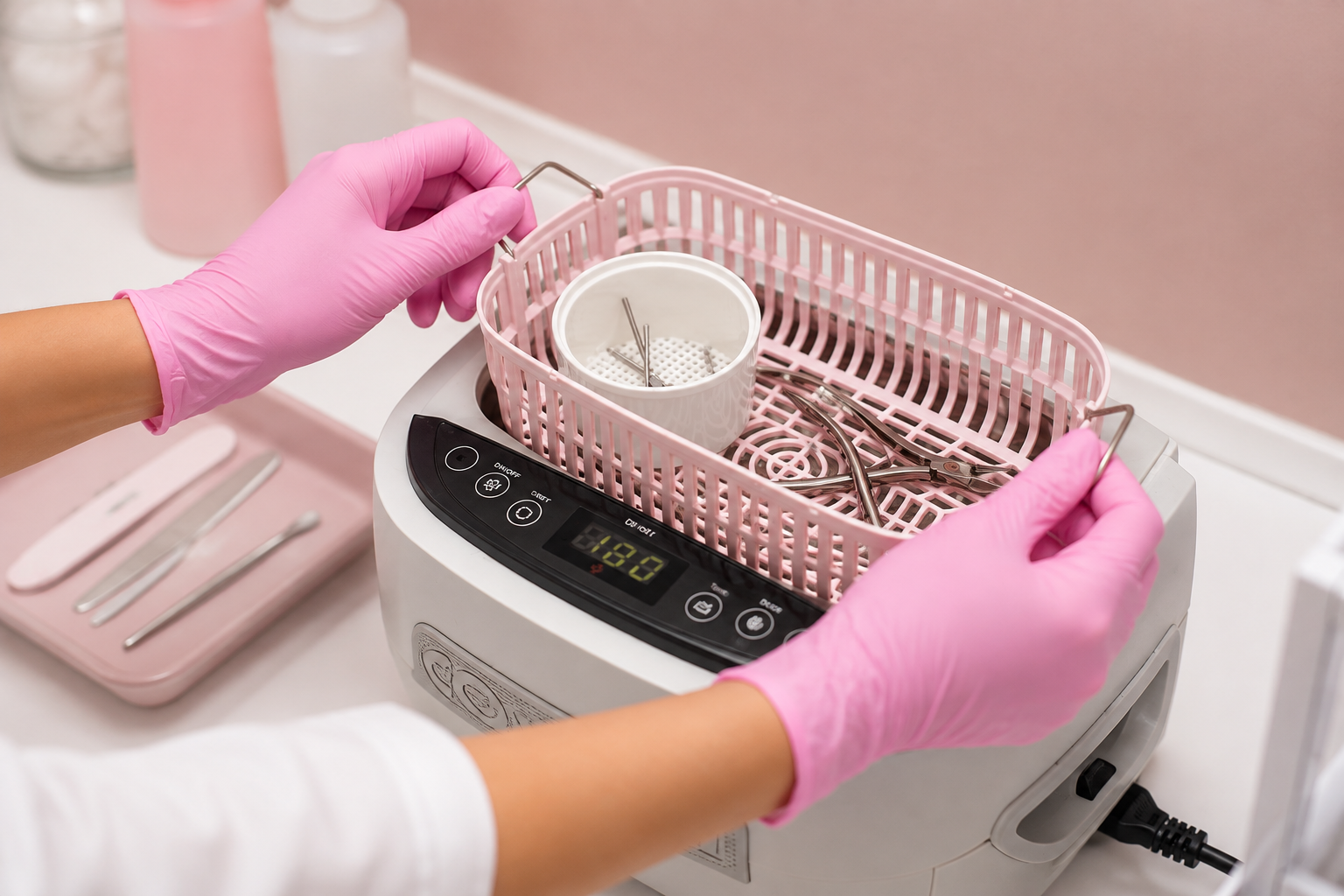
One of the most important safety factors in a nail salon is proper instrument sterilization. Nail clippers, scissors, pushers, and other metal instruments should undergo thorough cleaning and sterilization in an autoclave — a special device that processes instruments with hot steam under high pressure and temperature.
At the same time, a sealed kraft sterilization pouch alone does not prove that the instruments have actually been sterilized. The pouch could have been sealed after the previous client without the necessary sterilization process being carried out. Do not hesitate to ask the nail technician whether the salon has an autoclave and how regularly it is used.
Disposable files, buffers, orange sticks, and other single-use materials should be discarded after each procedure. They cannot be properly sterilized for repeated use. If a nail technician uses the same file or does not replace disposable attachments between clients, the risk of infection increases.
A good sign is when the nail technician opens a new disposable file immediately before the procedure. If this does not happen, do not hesitate to ask for a new one or bring your own personal set.
Good to know: The most reliable way to reduce the risk of infection from improperly sterilized instruments is to bring your own manicure tools. Most salons are perfectly comfortable with this practice, so feel free to ask the nail technician in advance whether your own tools can be used.
Good to know: In a good salon, having an autoclave is considered the gold standard for instrument sterilization and an important sign of a responsible approach to client safety. This equipment effectively destroys microorganisms and other pathogens, including their most resistant forms.
“Manicure Dust”
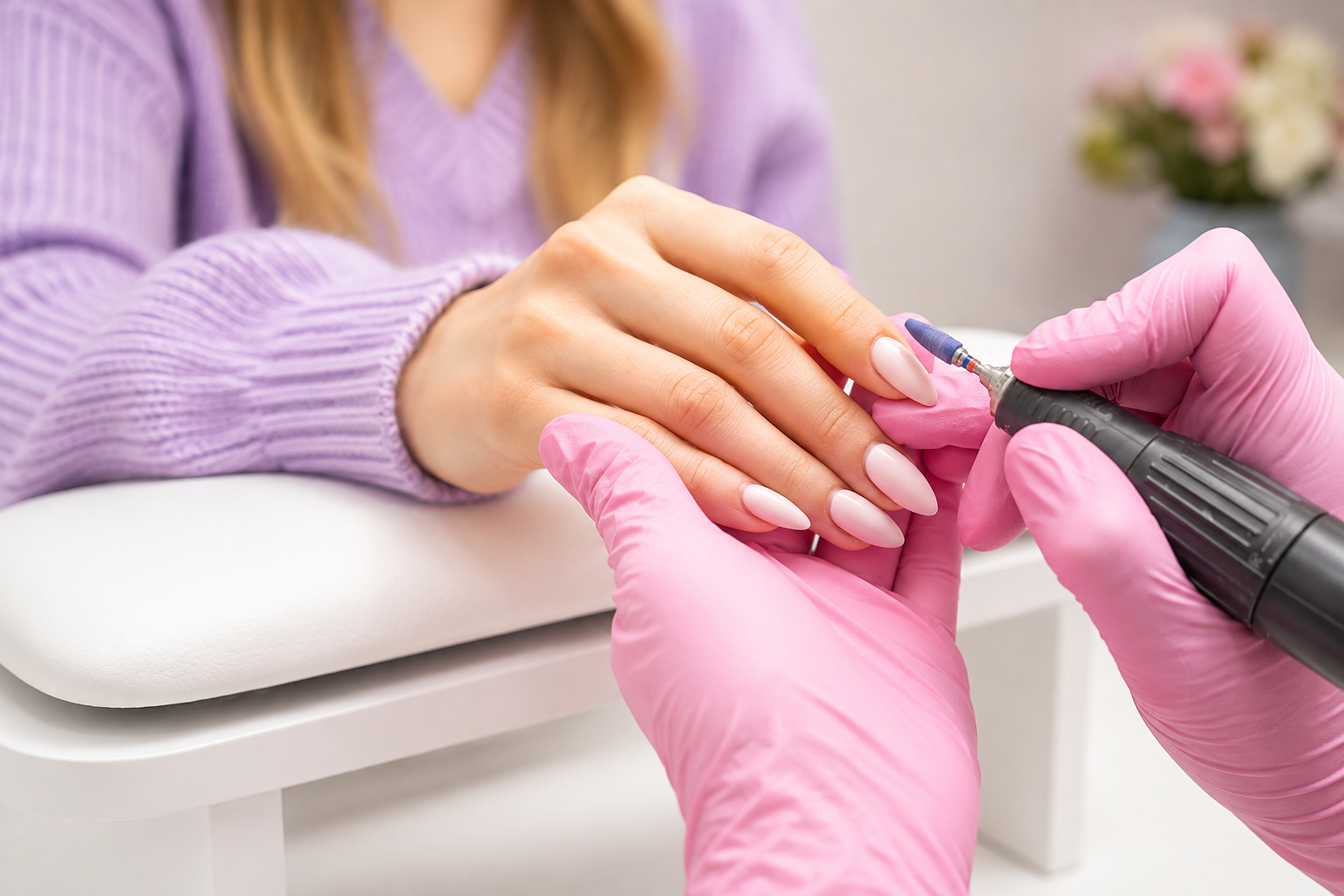
When natural or artificial nails are filed, fine dust particles are released into the air. Particularly large amounts can be produced when using an electric nail drill or filing gel, acrylic, or polygel.
If the room is poorly ventilated, these particles can remain in the air for a long time and settle on surfaces. The exposure is especially significant for nail technicians who work with nails every day, but clients should also avoid procedures in rooms with large amounts of visible dust.
Good ventilation and a professional nail dust collector can help reduce the amount of particles in the air. Therefore, when choosing a salon, pay attention not only to its beautiful interior but also to the nail technician’s workstation. Is there a nail dust collector? If so, this is a sign that the salon takes the health and comfort of its clients seriously. If there is no dust collector, it is worth considering how safe it is to visit such a place. After all, your health is at stake.
Quality of Products
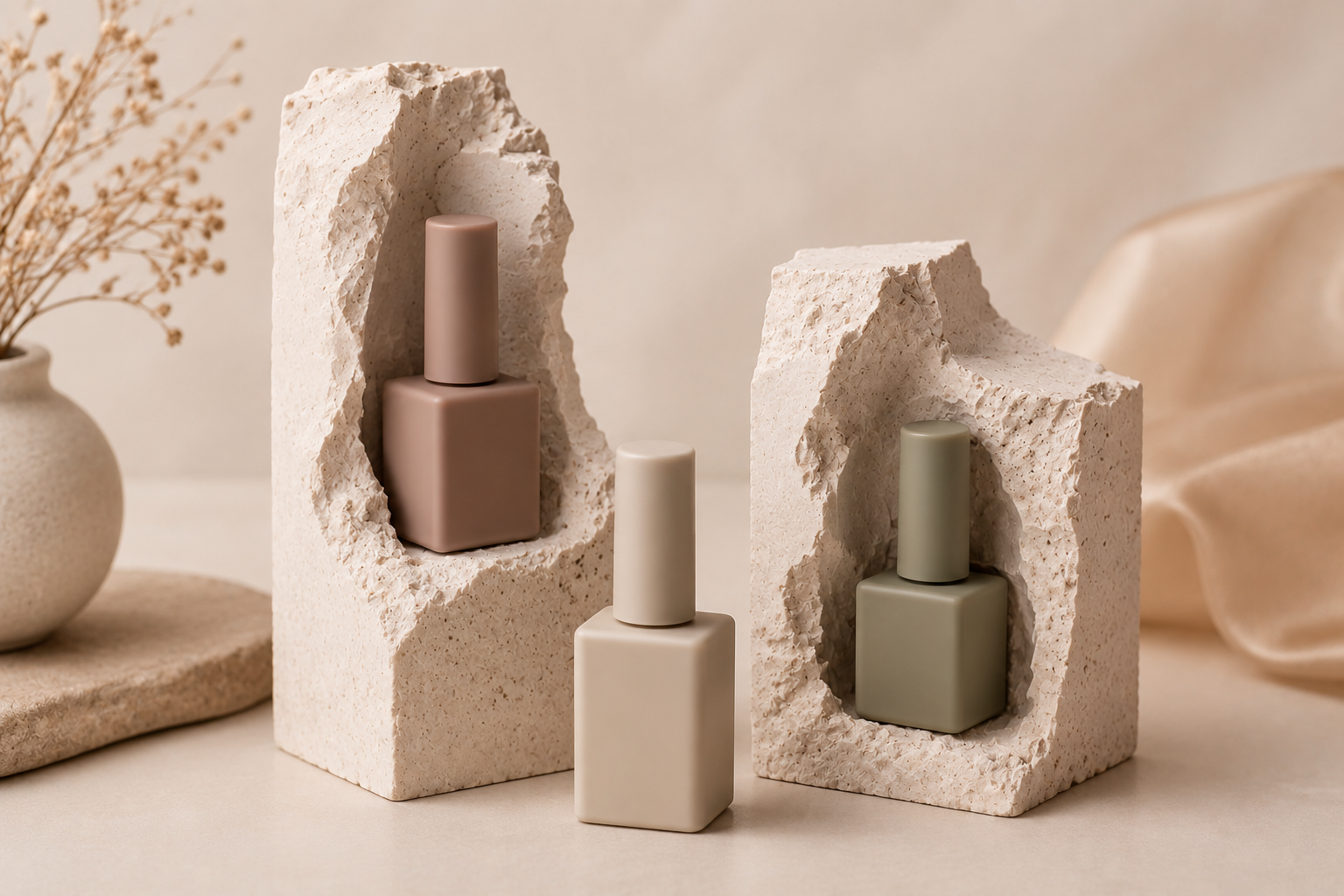
This is another equally important factor. Sometimes attractive and expensive-looking packaging does not necessarily mean that the product inside is of the same quality. In some cases, lower-quality products may even be placed in branded bottles. This is especially relevant to oils, serums, and hand creams. At best, such a product may simply be ineffective; at worst, it can cause irritation or an allergic reaction.
Another important point is the quality of the base coat and top coat. Some salons save money on these products by choosing inexpensive coatings. However, the base and top coat have a significant impact on the durability of the manicure and the condition of the natural nail. Therefore, it is worth asking which specific products the nail technician uses. If the coating quickly lifts, cracks, or leaves your nails brittle, the problem may be related to the quality of the products.
Good to know: If you notice itching, burning, redness, swelling, or other unpleasant symptoms after a salon treatment, do not postpone a visit to a dermatologist or podiatrist. Do not use medications or other products without consulting a specialist, as this could make the reaction worse. Also, keep your receipt or other proof of payment — these documents may be useful if you need to file a complaint with the salon.
Also pay attention to the consistency of the polish. Instead of disposing of thickened products, some salons may dilute them with aggressive solvents, including acetone or similar substances. This can alter the structure of the polish: the coating may apply unevenly, form bubbles, and begin to peel off quickly. A quality polish used in a salon should have a uniform consistency and be within its expiration date.
Good to know: To determine whether polish has been diluted, examine its texture. If the product spreads too quickly across the nail, looks excessively runny, or contains lumps, this may indicate that its composition has been compromised. A quality polish should have an even, moderately thick consistency and spread smoothly and evenly across the nail plate.
Service Cost

An attractive price in the salon’s price list is often only the starting point. Removal of old polish, especially gel polish or nail extensions, cuticle care, paraffin treatments, nail strengthening, and nail art may all be charged separately. As a result, the final cost of the procedure can sometimes be 1.5–2 times higher than the initial price.
Therefore, before booking, it is better to call the salon or message the nail technician on social media and clarify the full price of the specific procedure you need, including any additional services. Do not rely solely on an attractive price: sometimes a low price is advertised simply to attract new clients, while the final amount is calculated after all necessary services have been selected.
Good to know: If removal of the previous coating is not listed in the price list, charging separately for it without prior notice is not appropriate. The cost of all additional procedures should be clearly stated in the price list and communicated to the client before the service begins. This helps avoid unexpected expenses and misunderstandings when paying.
Nail Technician Qualifications
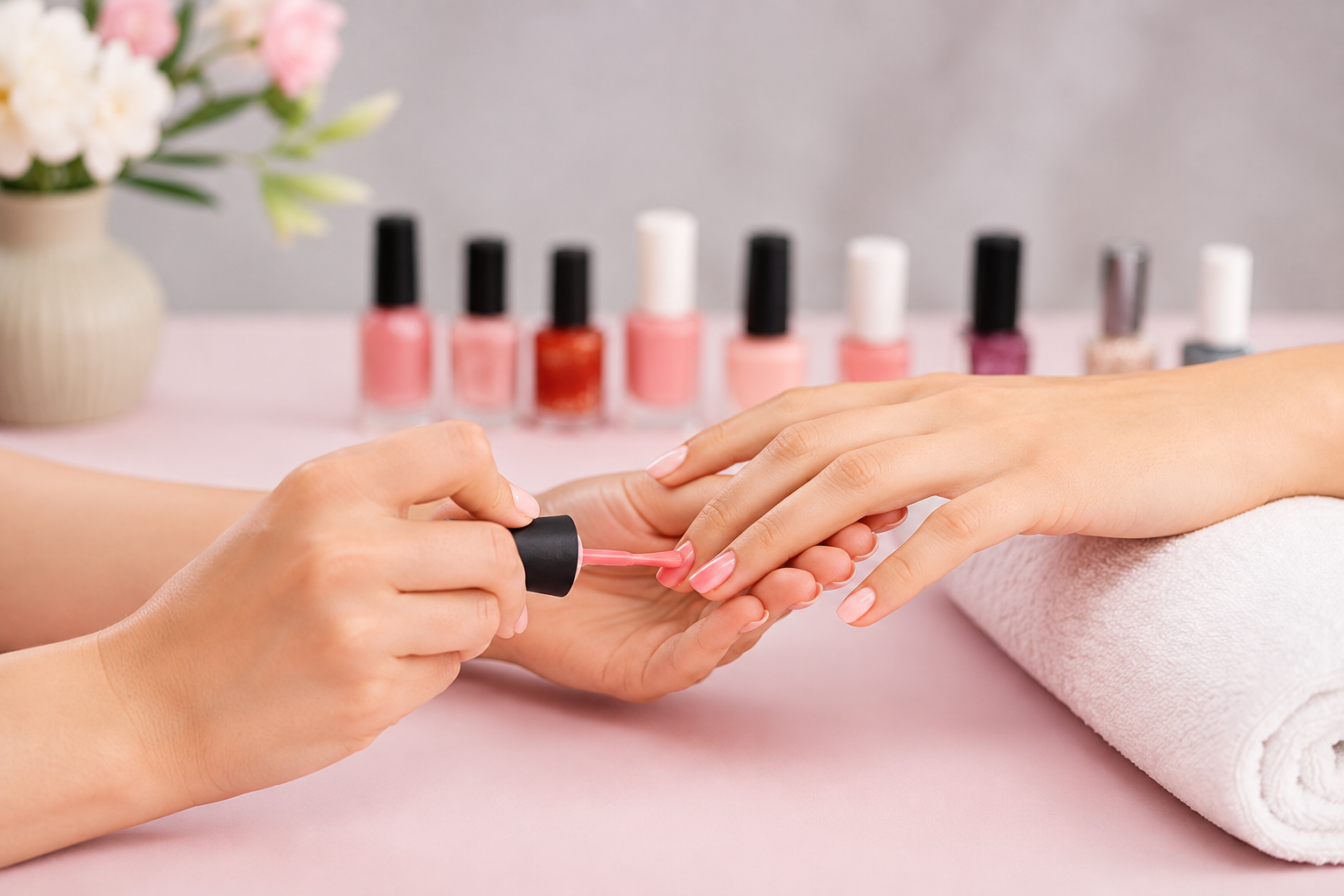
Therefore, before the procedure, it is worth asking about the nail technician’s qualifications, professional experience, and training.
How to Protect Yourself from Potential Risks: Recommendations for Clients
1. Choose your salon carefully: Read reviews and pay attention not only to the salon’s interior but also to what clients say about cleanliness, hygiene, instrument sterilization, and pricing.
2. Pay attention to the preparation: Arrive a little early and observe how the nail technician prepares the workstation. All instruments should be stored either in a sterilization system or in individual sterile packaging.
3. Ask direct questions: “What is included in the manicure price?”, “How are the instruments sterilized?”, “Do you use disposable files?” — these are just some of the questions worth asking before the procedure.
4. Ask for disposable tools to be opened in front of you: This applies to orange sticks, buffers, files, and other single-use materials.
5. Do not hesitate to ask the nail technician to use disposable tools: If you have doubts about their cleanliness, ask them to open a new sterile set or bring your own tools.
A careful approach to choosing a nail salon can help you avoid unpleasant consequences. Pay attention not only to the price of the services but also to the nail technician’s professionalism, compliance with hygiene standards, and the quality of the products used. Remember: taking care of your health begins with an informed choice, so it is not worth saving when your safety and well-being are at stake.