How Can a Nail Technician Find the Right Approach to Different Types of Clients?
In our new article, we'll explore four psychological types of clients that nail technicians encounter most often. How can you learn to understand their personalities, take their individual traits into account, and find the right approach to each one?
It isn't always easy for a nail technician to understand a client's wishes right away and establish comfortable communication. Let's take a closer look at the main client personality types, their defining characteristics, and typical behaviour. You'll learn how to communicate effectively with each of them, making every interaction enjoyable for both sides and helping build lasting, trusting relationships.
A nail technician's success depends not only on professional skills but also on the ability to connect with different people. After all, every client is unique, with their own personality, life experiences, habits, and ideas about comfortable communication. That's why there is no universal approach that works for absolutely everyone. It's important to learn to recognise people's behavioural patterns and take them into account when interacting with them.
In this article, we'll look at several common psychological types and share practical tips to help you avoid misunderstandings and make communication more effective. These principles are useful not only when working with clients but also in everyday life. This article will be helpful to every nail technician, even if you don't plan to study psychology in depth. Understanding the basic traits of different people can help you avoid common mistakes and build more harmonious relationships.
Psychological Characteristics of Different Client Types
In the nail industry, four main psychological types of clients can be identified, although in real life, people rarely fit entirely into just one category. Nevertheless, by observing a client's communication style, behaviour, and interactions with others, a nail technician can recognise which traits are most prominent. Understanding these characteristics makes it easier to find an individual approach to each person and establish comfortable, productive communication. It's also important to consider each client's personal preferences, expectations, and motivations. By taking these factors into account, a nail technician can build trust and increase the likelihood of turning a first-time visitor into a regular salon client.
Let's take a look at the four main client types:
1. The Impulsive Client 2. The Insecure Client 3. The Independent Client 4. The Friendly Client
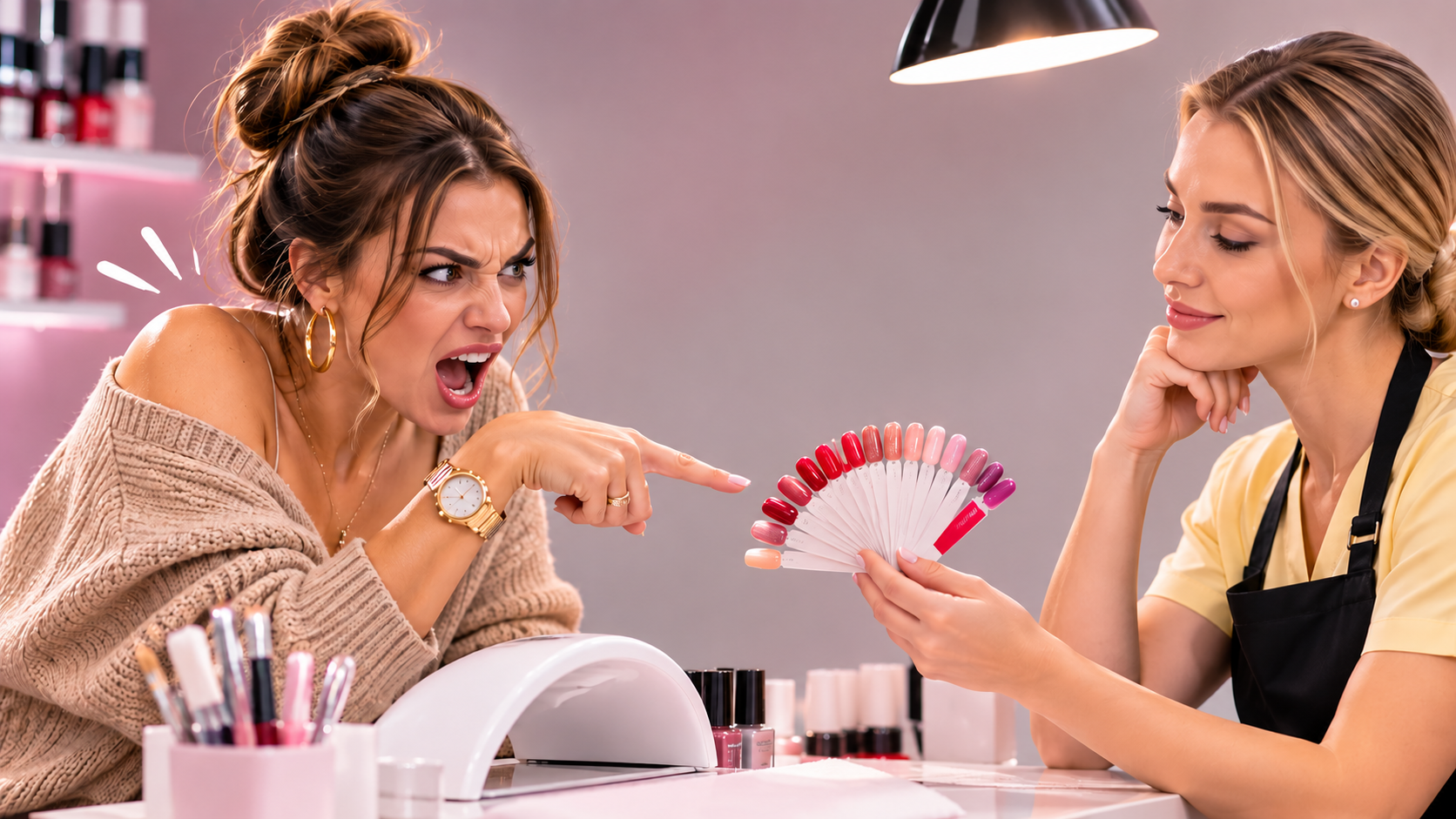
The arrival of this type of client at the salon always draws attention. They are energetic and outspoken, enjoy being the centre of attention, talk a lot, and confidently stand up for their opinions. Their mood can change quite suddenly: they are easily carried away by emotions and quick to become irritated, but they also calm down just as quickly. Impulsive clients tend to focus primarily on themselves and their own wishes. They like to control the conversation, often interrupt the nail technician, take the initiative, and try to dictate how the service should be carried out.
To establish a good rapport with this type of visitor, a nail technician should use encouraging phrases such as "Yes, of course", "That's interesting", and "Tell me more". At the same time, it's important to remain confident, calm, and friendly, demonstrate professionalism, and communicate clearly and directly. Give the client time to express their thoughts and emotions without arguing or interrupting. Once they've had a chance to speak, gently steer the conversation towards professional matters and gradually take the lead again.
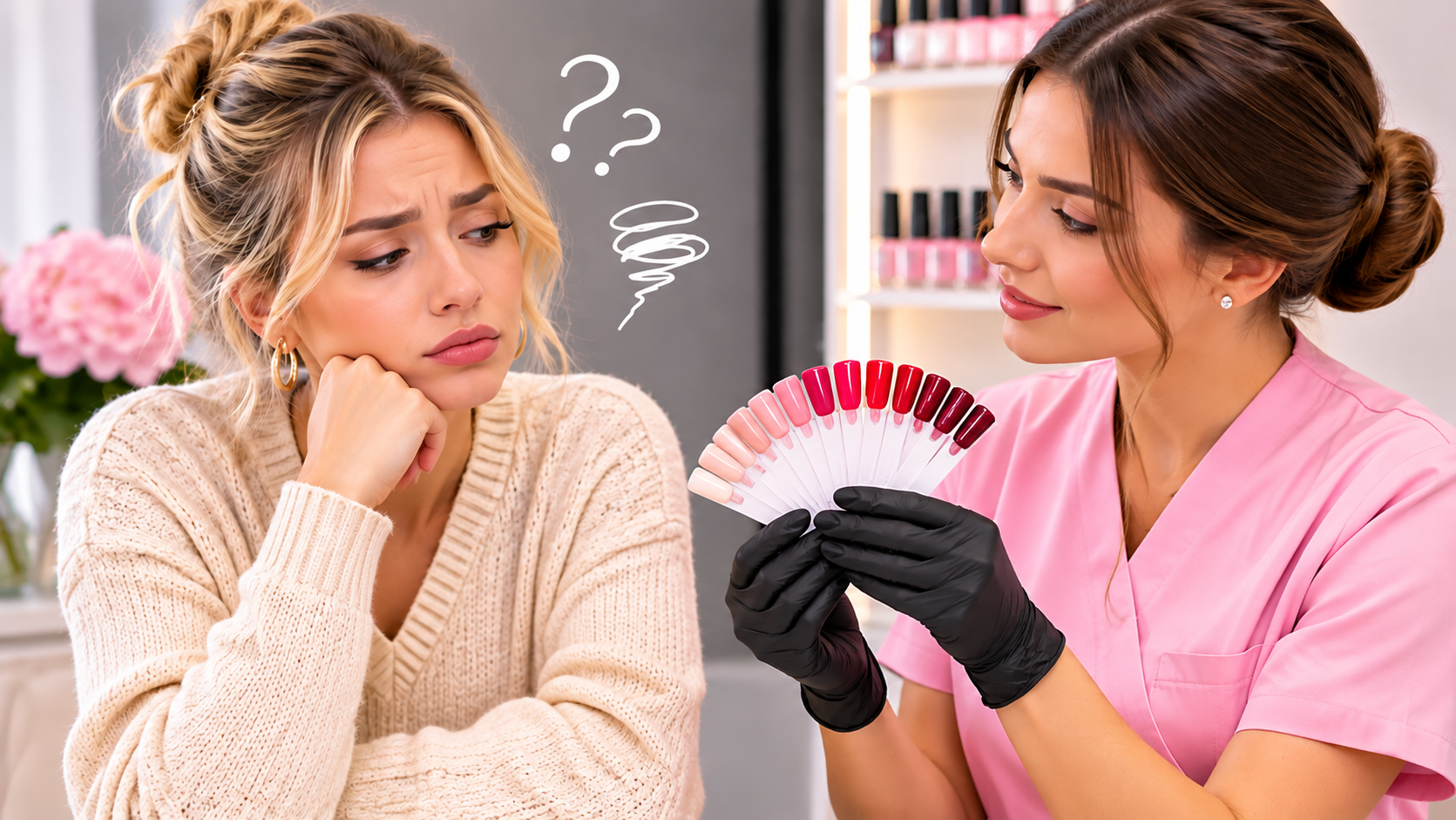
This category includes people who find it difficult to make decisions about their own wishes and preferences. They often struggle to explain exactly what kind of result they want, so they prefer to leave the choice to the nail technician. They typically say things like, "I'm not sure yet", "Could you recommend something?", or "Which option do you think is best?" At first glance, working with these clients may seem easy because they rarely object to suggestions. However, there is a particular challenge: indecisive clients often tend to shift responsibility for their decisions onto someone else. As a result, the nail technician may find themselves facing complaints about the final result, even though the client initially agreed to the suggested option.
Another characteristic of these clients is that they don't always express dissatisfaction openly. Even if they dislike the result, they may smile, say thank you, and insist that everything is perfect. This is often due to a lack of confidence and a reluctance to stand up for their own opinions.
The nail technician's main goal is to help the client feel more confident and actively participate in the decision-making process. Instead of choosing every detail on their behalf, offer several suitable options, explain their benefits, and gently encourage them to make their own choice. This approach not only helps prevent misunderstandings but also gradually builds the client's confidence in their own preferences.
The Independent Client How Nail Technicians Should Communicate with Clients Building a close, trusting relationship with this type of client can be quite challenging, so communication generally remains professional and businesslike. This doesn't mean the nail technician is unable to connect with them. Rather, the client simply prefers to maintain some distance and isn't looking for a closer relationship. It's important to understand and respect this preference.
New visitors often display this independent behaviour because they don't yet know the nail technician well enough to feel completely comfortable. However, the same attitude can also be shown by someone who is usually sociable and open. What's more, even a regular client may become more reserved due to temporary personal circumstances.
When working with an independent client, it's best to focus on professional topics and avoid unnecessarily bringing up their personal life or problems. However, the nail technician shouldn't become cold or indifferent. It's important to remain friendly, pay attention to the client's wishes, and show genuine concern for their comfort.
Communication with this type of client is usually easy and relaxed, helping to build trusting, long-term relationships. They are open to new suggestions, happy to try unfamiliar treatments, and willing to experiment with their look without hesitation. These clients feel comfortable sharing details about their personal lives, enjoy discussing a wide range of topics, and are generally pleased with the final result.
However, this seemingly effortless interaction comes with a few nuances. A client's excessive openness can gradually lead to overly familiar communication, which may eventually make the nail technician uncomfortable. That's why it's important to maintain a friendly atmosphere and mutual trust while respecting professional boundaries.
Perhaps you've already recognised some of your clients in the personality types described above. We hope this article will help you better understand client behaviour, find an individual approach to everyone, build trusting relationships, and avoid common mistakes in your work.