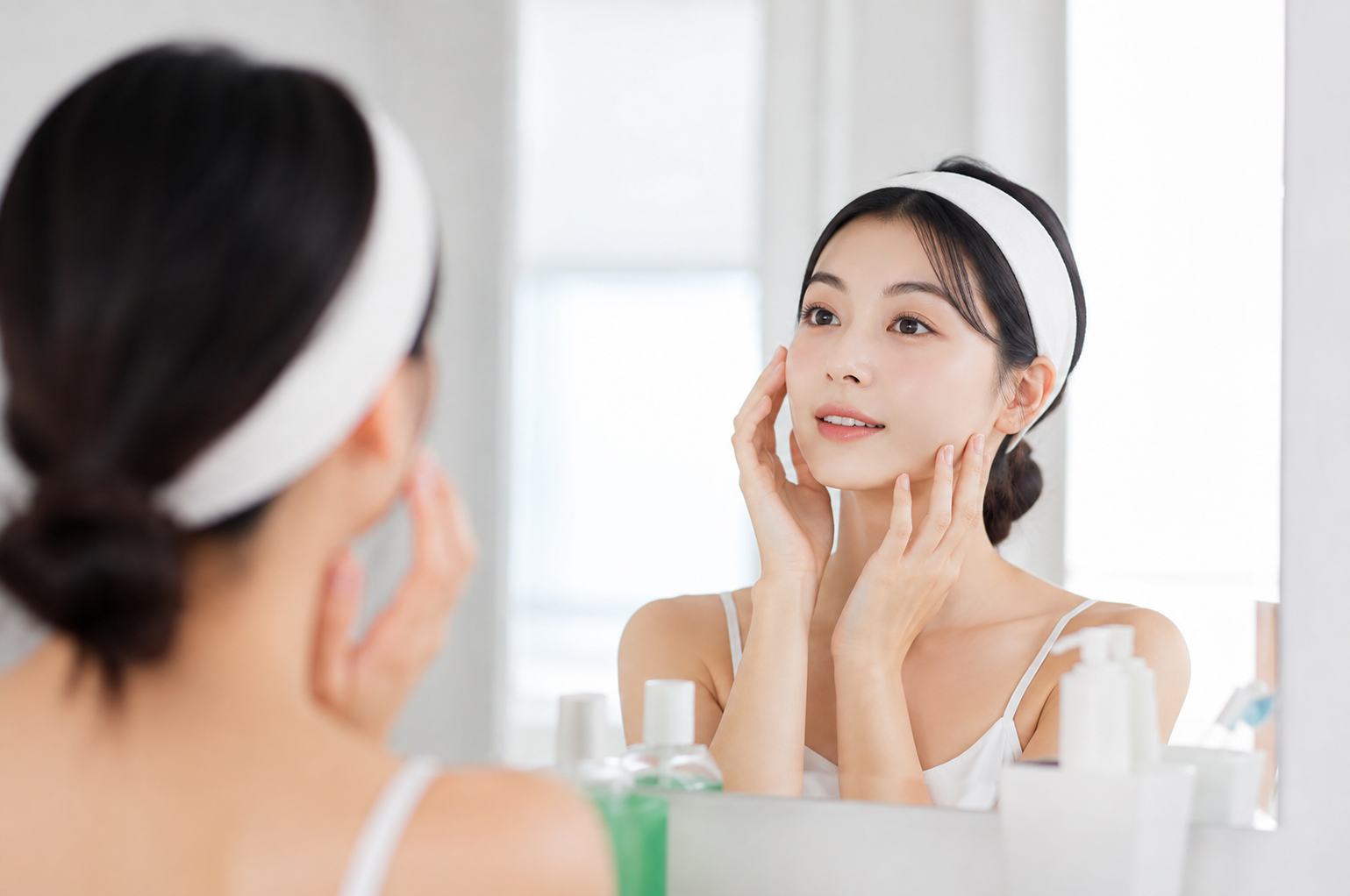
While modern beauty brands focus on comprehensive skincare routines and concentrated active ingredients, Japanese women have relied on natural remedies for centuries. Many of these traditional beauty secrets are still relevant today. The Japanese skincare approach is based on simple natural ingredients that gently care for the skin without overwhelming it, while helping maintain its natural protective barrier. Seaweed, rice bran, seasonal fruits, and camellia oil are just some of them. These accessible remedies work gently, making them suitable even for sensitive skin.
Rice Masks: Natural Cleansing Without Harsh Ingredients
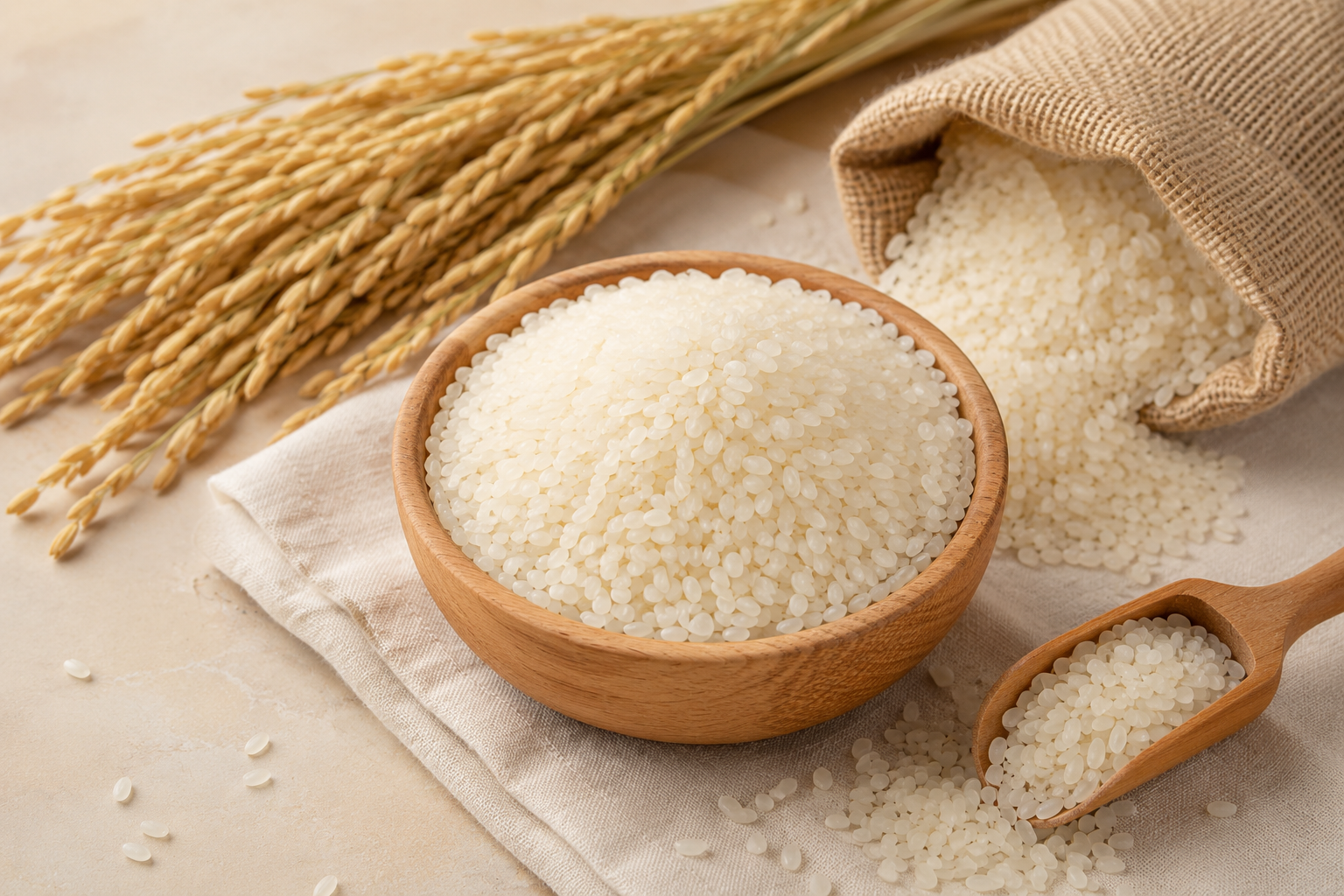
For gentle skin cleansing, you can use rice flour or finely ground rice bran mixed with water, milk, or honey. This type of mask is suitable for most skin types, but it is better to avoid it if you have rosacea or pronounced visible blood vessels. The mask gently cleanses the skin without drying it out, causing tightness, or disrupting its natural pH balance. To enhance its skincare benefits, add a few drops of camellia oil — more about this ingredient below.
Leave the mask on the skin for 10–15 minutes, then gently rinse it off with cool, still mineral water. You can achieve an even more noticeable effect by lightly moisturizing the skin with camellia oil before applying the mask.
Camellia Oil: Softness and Hydration Without a Greasy Feel
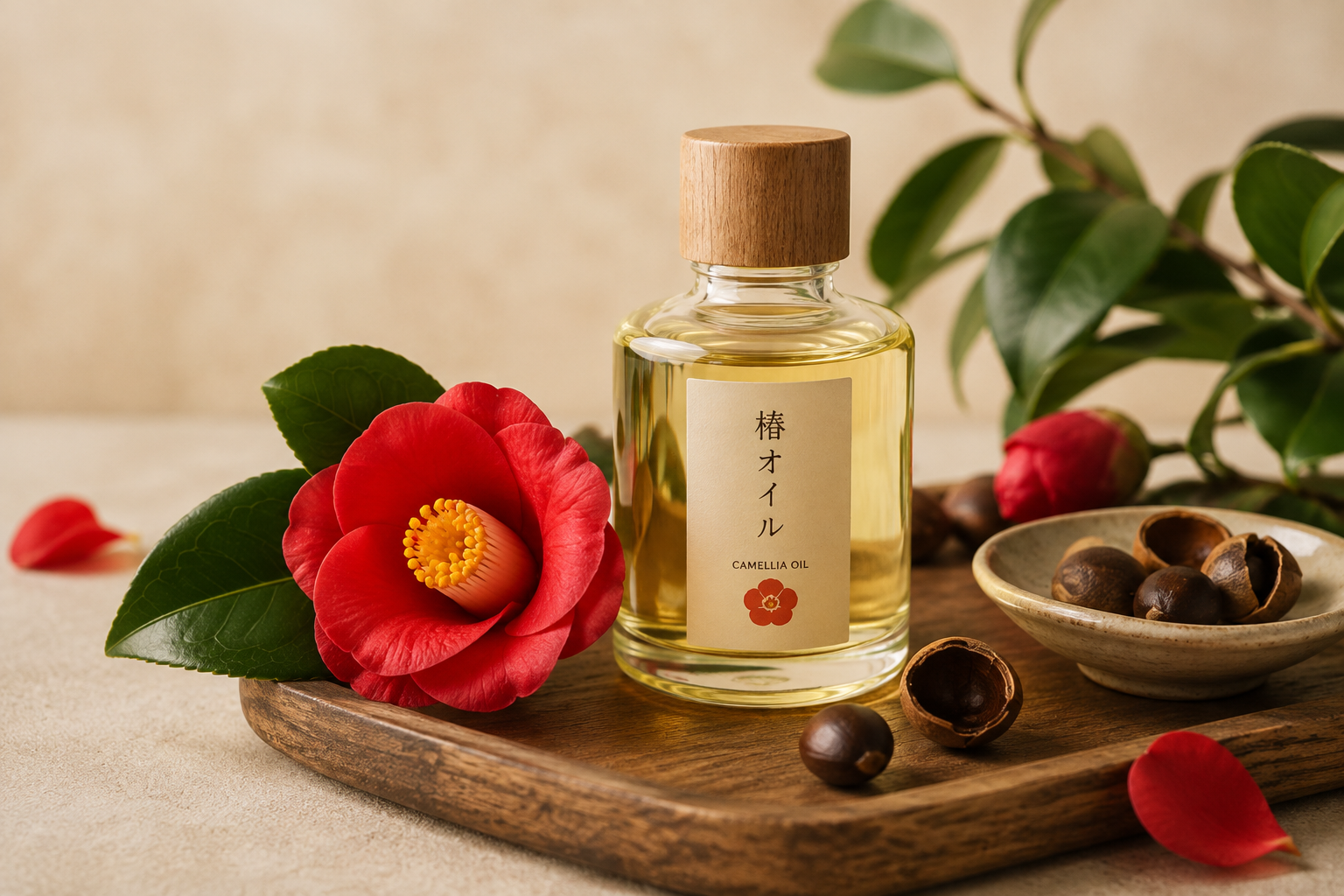
Camellia oil has a lightweight texture and is considered one of the lightest plant-based oils. Its composition is similar to the skin’s natural lipids, so it spreads easily, absorbs quickly, and does not leave the skin feeling clogged. In Japanese skincare, it is used on the face, neck, and décolleté, as well as for strengthening the nails and caring for the eyelashes. The oil is a source of polyunsaturated fatty acids that help support the skin’s firmness and elasticity. At the same time, its linoleic acid content can be several times higher than that of many other plant oils.
The product has a gentle effect and is suitable even for dry and sensitive skin. It can be applied on its own, added to homemade masks, or used as an alternative to cream in an evening skincare routine. Camellia oil is particularly effective for dryness, dehydration, and flaking, helping the skin feel softer and smoother.
Rice Bran Instead of Soap: An Ancient Geisha Beauty Secret
Rice bran is one of the traditional Japanese skincare remedies. In the past, it was even used in public bathhouses: bran was placed in small fabric pouches and used during a gentle massage. Thanks to its soft texture, rice bran helps cleanse the skin’s surface of dead skin cells without damaging it, while the vitamin E, gamma-oryzanol, and fatty acids it contains help nourish and moisturize the skin. Unlike scrubs with harsh particles, rice bran works gently and does not create excessive friction.
You can recreate this ritual at home: place the rice bran in a cotton pouch and immerse it in a filled bathtub or hold it under running water. The water will take on a soft, milky appearance, while the skin will feel more delicate and smooth after the treatment. There is no need to rinse off the remaining bran. This method can be suitable for dry and sensitive skin as long as you avoid rubbing it too vigorously.
Apple Cider Vinegar: Gentle Skin Toning
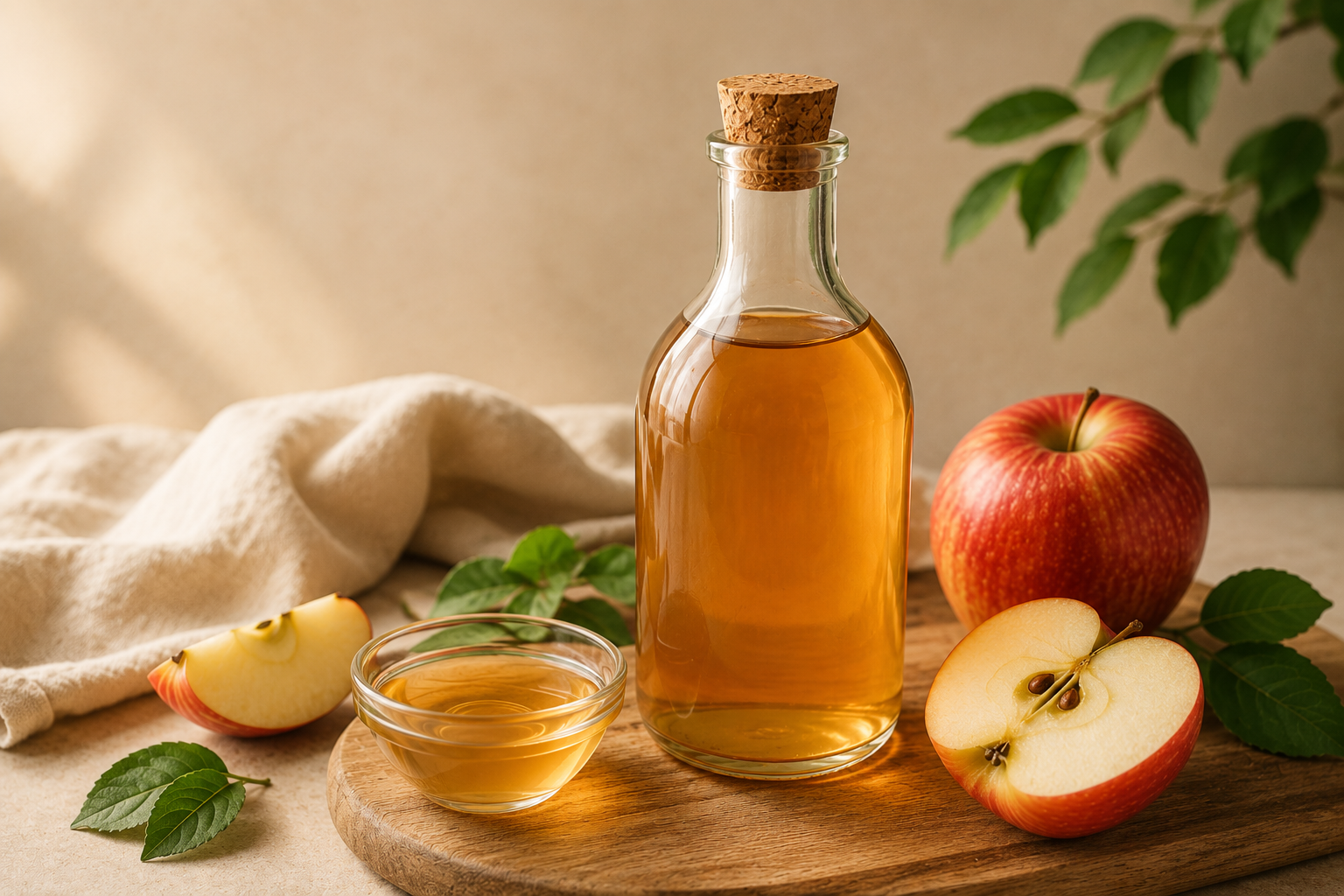
Japanese women add natural apple cider vinegar to water for rinsing their hair, as well as to shampoos and facial lotions. In small concentrations — a few drops per glass of water — it may help maintain the skin’s pH balance, gently cleanse, and provide a toning effect. It is important to choose natural vinegar without added sugar or fragrances.
Fruit Masks: Gentle Exfoliation Without an Acid Peel
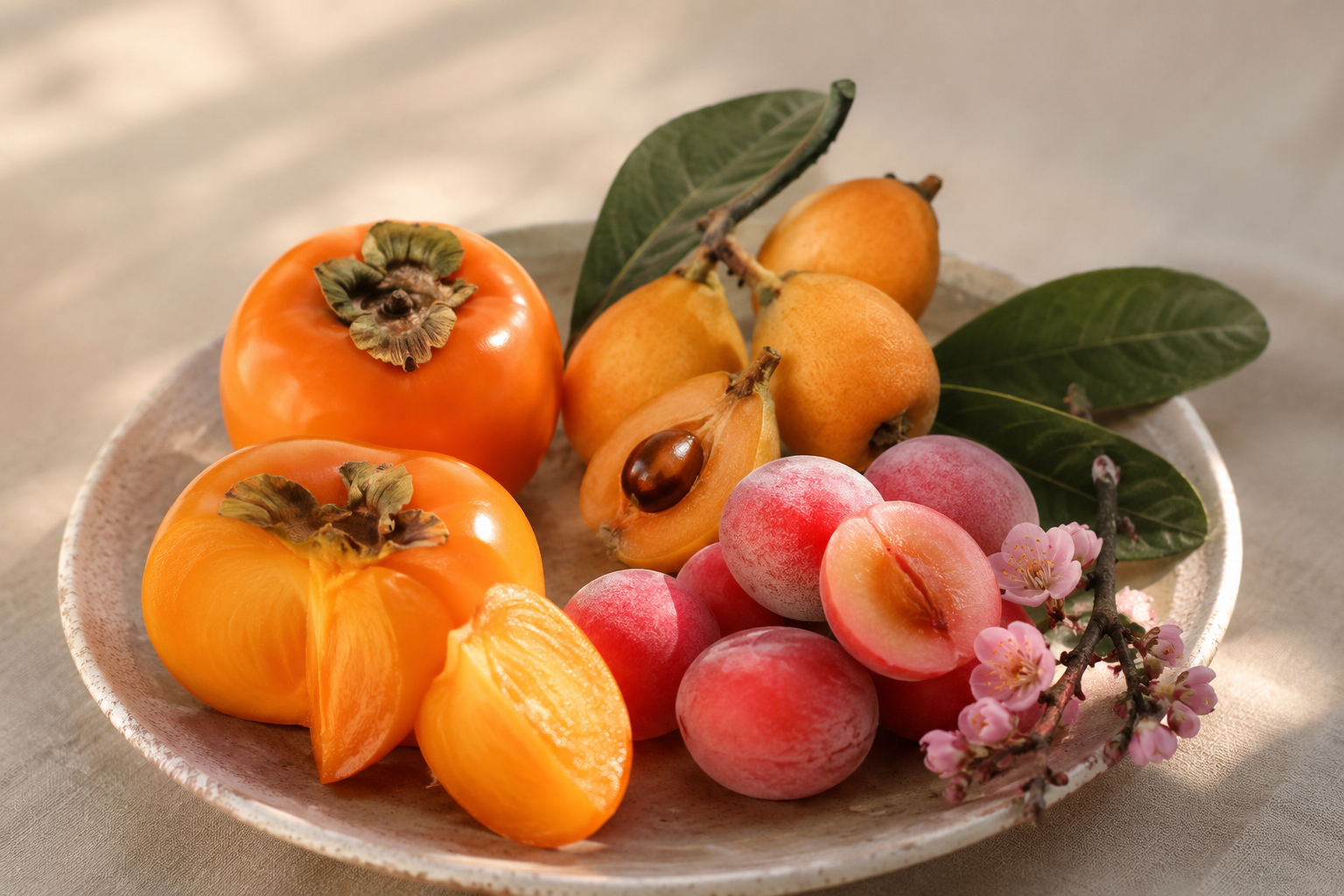
Traditional Japanese cosmetics often include fresh seasonal fruits such as loquat, Japanese plum, and persimmon. These ingredients contain valuable vitamins, antioxidants, and organic acids. Unlike intensive AHA peels, homemade fruit-based formulas work more gently, without excessively drying the skin or compromising its protective barrier. They can help restore a fresh appearance, gently tone the skin, and support a healthy skin balance.
To prepare a mask, fruit pulp can be mixed with rice flour, egg yolk, or camellia oil. Apply the mixture for no more than 20 minutes, then gently remove it with cool water. The formula can be adjusted according to your skin’s needs: egg white may be suitable for oily skin, while egg yolk or sour cream can be used for dry skin. If you are unfamiliar with any of the ingredients, it is worth performing a patch test on a small area of the wrist before the procedure.
Recommendations and Precautions
All of the recipes presented above are based on natural ingredients that have been used in Japanese skincare for many generations. They do not contain harsh substances, high amounts of alcohol, or potentially harmful essential oils. Nevertheless, natural ingredients can also cause unwanted reactions. Therefore, before using a remedy for the first time, apply a small amount to a limited area of skin, such as the inner elbow. If irritation, itching, or redness occurs, discontinue use.
Fruit masks should not be used on active inflammation, damaged skin, or pronounced rosacea. In such cases, opt for gentler skincare options, such as moisturizing oils or a light rice-water rinse.
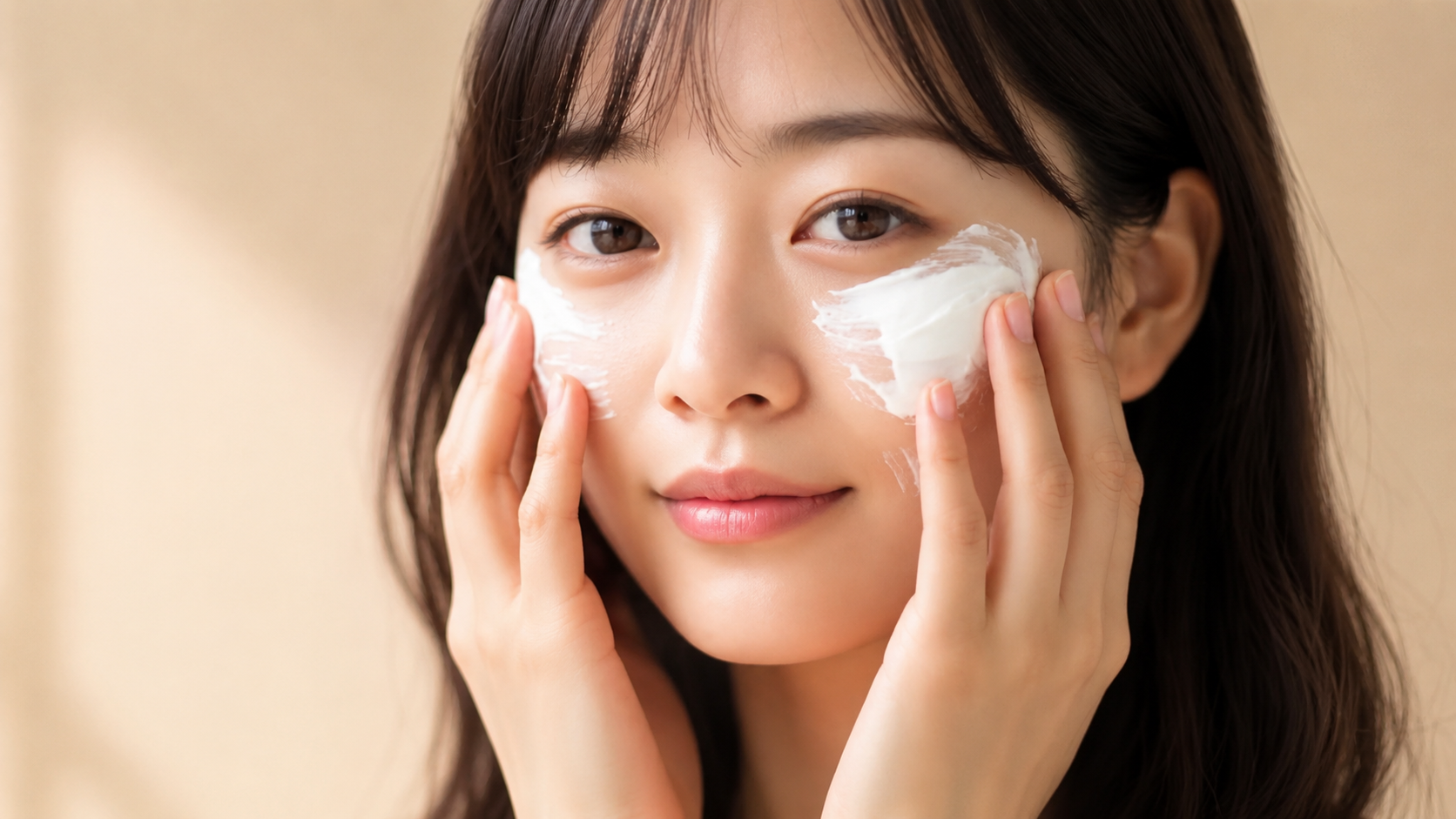
Japanese skincare is not about aggressive treatments or quick results, but about gentleness and consistency. Rice bran, camellia oil, seasonal fruits, and water can help maintain the skin’s softness, freshness, and natural glow. The secret of Japanese beauty rituals lies precisely in their simplicity and gentle approach
Natural facial care rituals can be combined with modern skincare products for your daily routine. At Global Fashion, you can find facial skincare products enriched with vitamin E — an excellent choice for daily care, hydration, and maintaining soft, radiant skin.
Natural facial care rituals can be combined with modern skincare products for your daily routine. At Global Fashion, you can find facial skincare products enriched with vitamin E — an excellent choice for daily care, hydration, and maintaining soft, radiant skin.