When we think of salt water, we usually picture the ocean and a relaxing beach getaway. However, TikTok users claim that washing your face with salt water can help fight acne and reduce redness. Salt can act as an exfoliant, removing dead skin cells, and may be beneficial for oily skin. But can salt water really make your skin smoother and help clear breakouts?
Read our latest article to discover everything you need to know about this skincare method and whether washing your face with salt water is worth trying.
What Is Salt Water?
Salt water is a mixture of salt and water. It occurs naturally in the ocean, but you can also make it at home by dissolving regular table salt in tap water.
Recently, salt water has been gaining popularity on TikTok, with users claiming it helps fight acne, reduce redness, and relieve the symptoms of certain skin conditions. However, many dermatologists warn against using it because it may worsen skin problems and compromise the skin barrier. Despite its potential benefits, experts recommend choosing alternatives that offer similar results without the risk of unwanted reactions.
Benefits of Salt Water
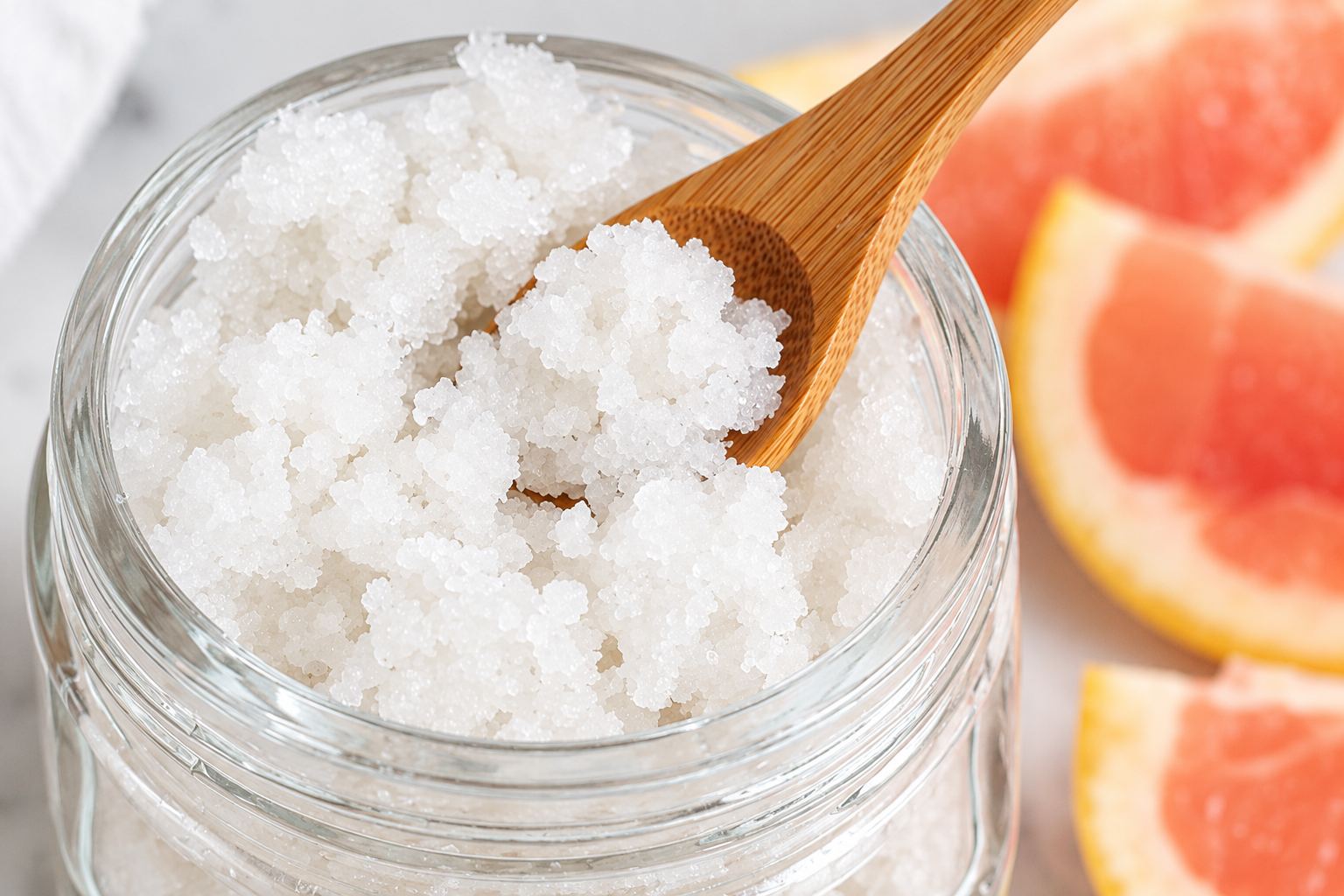
Although salt water may offer some benefits when used correctly, dermatologists generally do not recommend washing your face with it because it can cause excessive dryness. Nevertheless, this method may make the skin look smoother and more radiant while helping control excess oil production.
• Helps fight acne: Thanks to its exfoliating properties, salt water may help unclog pores. This may provide an additional benefit by helping reduce the appearance of acne.
• Reduces oily skin: Removing dead skin cells and impurities can help eliminate excess sebum. Washing your face with salt water may reduce oiliness, making this method potentially suitable for people with oily skin.
• Makes skin smoother and more radiant: Salt water removes dead skin cells, acting as a mechanical exfoliant and leaving the skin looking smoother and brighter.
• May help reduce inflammation: Certain minerals in salt water, such as magnesium, may help reduce inflammation. As a result, salt water may benefit some skin conditions, including eczema and psoriasis. However, prolonged exposure can dry out the skin and worsen certain conditions, especially in people with sensitive skin.
How Salt Water Affects Different Skin Types
Salt water is not suitable for every skin type, so it should be used with caution. Experts suggest that it may be more suitable for oily and acne-prone skin. However, it should not replace chemical exfoliants, as salt can dry out and damage the skin.
Salt water may help reduce excess oil, so occasional use may be an option for people with oily or acne-prone skin. Salt has natural antibacterial properties, but experts emphasize that this method should not be the only treatment for acne.
Salt water may also affect the skin in people with psoriasis and eczema, but the results depend on individual skin characteristics. Used cautiously, it may suit some skin types while being too harsh for others. People with dry or sensitive skin should be especially careful, as salt can cause irritation.
How to Wash Your Face With Salt Water

If you want to try washing your face with salt water, dissolve a small amount of table salt in hot water and let the solution cool. Store it in an airtight container and stir it before use to redistribute any salt that has settled at the bottom.
A safer alternative is to use skincare products formulated with salt, such as facial toners, body scrubs, bath salts, and masks. These products are designed for skincare and may be gentler than plain salt water.
TIP: Since salt has abrasive properties, choose fine-grain sea salt or table salt rather than coarse varieties, such as Epsom salt or Himalayan salt. Sea salt also contains minerals that are not found in regular table salt due to differences in processing.
Possible Side Effects
Most dermatologists do not recommend washing your face with salt water because of the potential side effects. It can irritate the skin and compromise its protective barrier. Salt can act as a natural irritant, potentially worsening acne, eczema, and other skin conditions.
Despite its potential benefits, salt water can excessively dry out the skin, aggravating existing problems and potentially causing new ones.
Overall, dermatologists generally advise against this method. Effective cleansers and exfoliants are available that can deliver similar results with a lower risk of irritation.
Although salt water may offer certain benefits for the skin, risking your skin's health just to follow a trend is not worth it. When used incorrectly, it can cause irritation and redness and worsen existing skin concerns. If you still want to try this method, consult a dermatologist first.
Of course, you can try this cleansing method. However, if you've realized after reading this article that salt water may not be suitable for your skin, we have an excellent alternative: the Global Fashion Cleansing Foam Mousse. Its moisturizing formula helps maintain skin firmness and balance without leaving your skin feeling tight or dry.
* Click to go directly to the product on our website.
Read also: