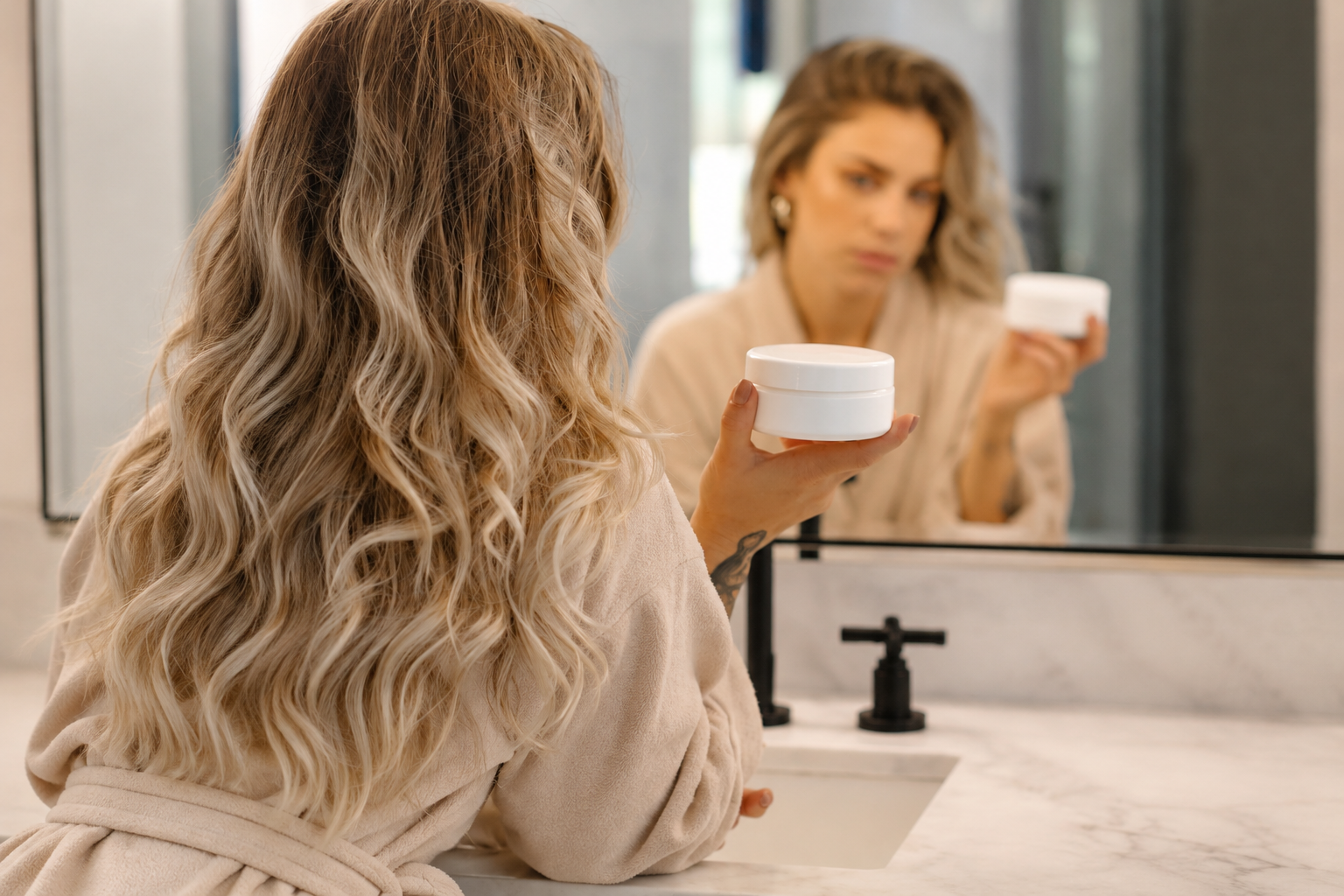
Today, we're becoming increasingly knowledgeable about cosmetic ingredients and learning how to combine products to enhance their effects. One technique that's gaining popularity is mixing hair dye with conditioner.
This trend is widely discussed on social media, but does the combination actually work? Can you mix these products without damaging your hair, and what results can you expect?
Let's explore the benefits, potential drawbacks, and best practices for combining these two products.
Can You Mix Hair Dye with Conditioner?
Mixing conditioner with hair dye offers several benefits. The main one is the ability to achieve a softer, more natural-looking shade instead of a dense, highly pigmented color. Adding conditioner dilutes the dye and reduces its intensity. This can slow down the coloring process, preventing the pigment from taking too quickly, or create a more sheer finish that looks more natural. If you prefer unusual, vibrant shades, adding conditioner can also help you achieve the exact color you're after.
Additionally, when mixed with semi-permanent dyes or direct pigments, conditioner may help reduce hair damage by creating a moisturizing protective barrier.
When Should You Mix Conditioner with Hair Dye?
Not all types of hair dye can be mixed with conditioner. There are several main categories of hair color products available on the market, including permanent dyes, semi-permanent dyes, direct dyes, and dyes that require a developer.
Permanent dyes and products that require a developer should not be mixed with conditioner. The chemical ingredients in these products react and interact with one another to color the hair. They are formulated with a specific alkaline pH level. Conditioners, on the other hand, are generally acidic, helping to close the hair cuticle. This contradicts the conditions required for oxidative dyes to work properly, so adding conditioner may interfere with the coloring process and prevent you from achieving the desired result.
Only semi-permanent dyes that don't require a developer and direct dyes can be mixed with conditioner. The latter already contain a conditioning base and consist of pigment molecules suspended in a conditioning formula that moisturizes the hair while depositing color. Adding conditioner is similar to a painting lesson: if you want a lighter, softer shade, simply add white paint. In this case, conditioner plays that role.
How to Mix Conditioner with Hair Dye
Feel free to get creative and experiment! There are several ways to mix conditioner with hair dye to achieve the best results.:
All-Over Application
All-Over Application
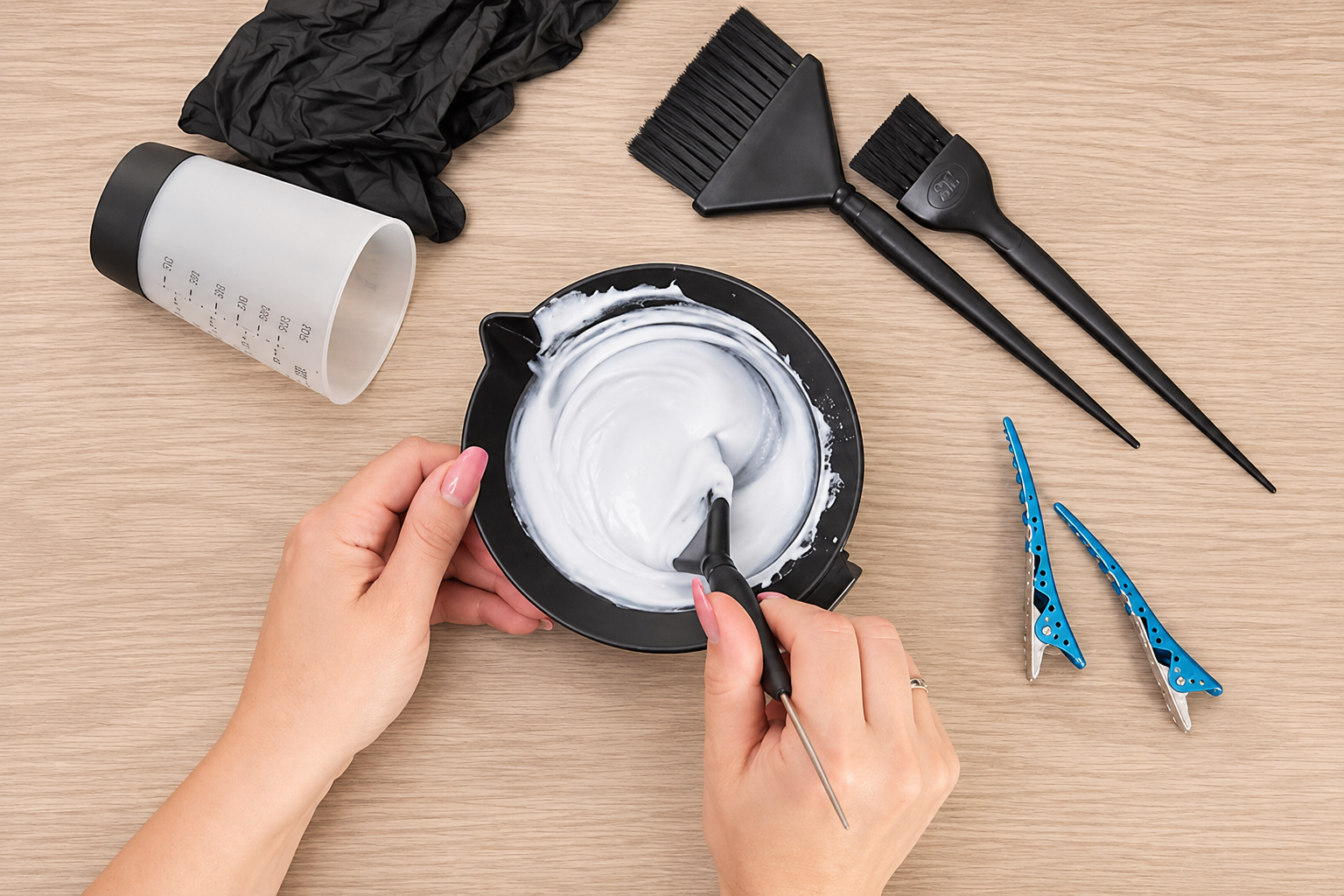
If you plan to color your entire head of hair, use a mixing bowl, tint brush, and gloves to make mixing and application easier. The bowl is particularly important because the final result largely depends on preparing the mixture correctly.
There are two ways to combine the products. To create a pastel shade, pour conditioner into the bowl and gradually add the dye until you achieve your desired color. If you want to adjust the intensity of an existing shade, start by adding the direct dye to the bowl, then gradually mix in conditioner, stirring thoroughly after each addition until you reach the desired tone.
ивая смесь после каждого добавления, пока не получите нужный оттенок.
MORE HAIR COLORING PRODUCTS --->
Before applying the conditioner and dye mixture to your entire head, perform a strand test to see what the final result will look like. Apply a small amount of the mixture to a discreet section of hair, leave it on for the time recommended on the product packaging, then rinse and assess the resulting shade.
Gradual Application and Maintenance
Another option is to add a small amount of hair dye to a bottle of conditioner to create a custom-tinted product for regular use. This works particularly well with lighter direct dyes, which tend to fade quickly.
If you prefer darker shades and want to maintain your color as it gradually washes out, this tinted conditioner provides subtle color refreshment, helping preserve your shade without compromising its natural-looking intensity.
How to Apply
To achieve the best results, keep a few important things in mind before and while mixing hair dye with conditioner:
• Consider your starting hair color: This is important whenever you color or lighten your hair. The final shade will always depend on your starting color. Direct dyes work best on bleached hair because the pigment adheres more easily to this type of base. The underlying tone also matters. For example, if your hair has developed a golden undertone after bleaching, applying a soft pink dye will give it a rose-gold finish.
• Consider your starting hair color: This is important whenever you color or lighten your hair. The final shade will always depend on your starting color. Direct dyes work best on bleached hair because the pigment adheres more easily to this type of base. The underlying tone also matters. For example, if your hair has developed a golden undertone after bleaching, applying a soft pink dye will give it a rose-gold finish.
However, mixing hair dye with conditioner is better suited to those who want to refresh their existing color slightly or achieve a pastel shade rather than completely cover gray hair. If your goal is to conceal gray strands, colorists recommend applying the dye undiluted and then using conditioner on the ends to add shine.
• Follow the manufacturer's instructions: Even though you're combining two different products, always refer to the dye manufacturer's instructions. The mixture is generally left on the hair for 15–30 minutes. Keep in mind that a longer processing time may result in a more intense shade. Think of it like applying a hair mask: the longer it stays on your hair, the more time the strands have to absorb the pigments and conditioning ingredients.
• Choose a good-quality conditioner: Since conditioner serves as the base for your dye mixture and you'll be using a relatively large amount, there's no need to spend a fortune on it. However, avoid extremely cheap conditioners, particularly those containing non-water-soluble silicones. These can create a coating on the hair and interfere with even color application.
• Choose a medium-consistency conditioner: Avoid overly thick hair masks, as they can be difficult to distribute evenly through your hair. However, very runny formulas aren't ideal either, as the mixture may end up everywhere, including on your walls. A medium-thick, creamy conditioner is the best choice.
Potential Side Effects
In general, mixing conditioner with semi-permanent dyes or direct pigments is safe. These products coat the hair's surface without changing its color through a chemical reaction. However, adding conditioner to permanent hair dye or a formula that requires a developer can interfere with the oxidation process and affect the final result. The color may end up uneven or turn out differently than expected.
Hair dyes contain ingredients that can cause skin irritation or allergic reactions. Mixing them with conditioner doesn't change their active ingredients, so the risk of an allergic reaction isn't reduced. To identify potential sensitivities, always perform a patch test before coloring your hair, following the manufacturer's instructions.
A Good Hair Dye for Home Use
Hair Care Essence, included in Cadiss hair dye, is a nourishing complex that helps protect hair against dryness and damage. It provides intensive hydration and helps maintain the hair's natural elasticity during and after coloring.
Mixing conditioner with hair dye is a popular at-home coloring technique that helps dilute pigment and create softer, pastel, or muted shades. Conditioner may also provide an additional protective barrier for the hair. Semi-permanent dyes that don't require a developer and direct pigments are the best options for this technique.
However, mixing conditioner with permanent hair dye or formulas that require a developer is not recommended. Doing so can interfere with the chemical reaction and oxidation process needed for the color to develop and set properly. As a result, the final shade may appear uneven or turn out differently than expected.
Remember to carefully read the manufacturer's instructions and follow the recommended mixing proportions before coloring your hair. Avoid experimenting if you're unsure of the outcome. If you have any questions, consult a professional colorist who can help you choose the right coloring technique and achieve your desired hair color.
Read also: