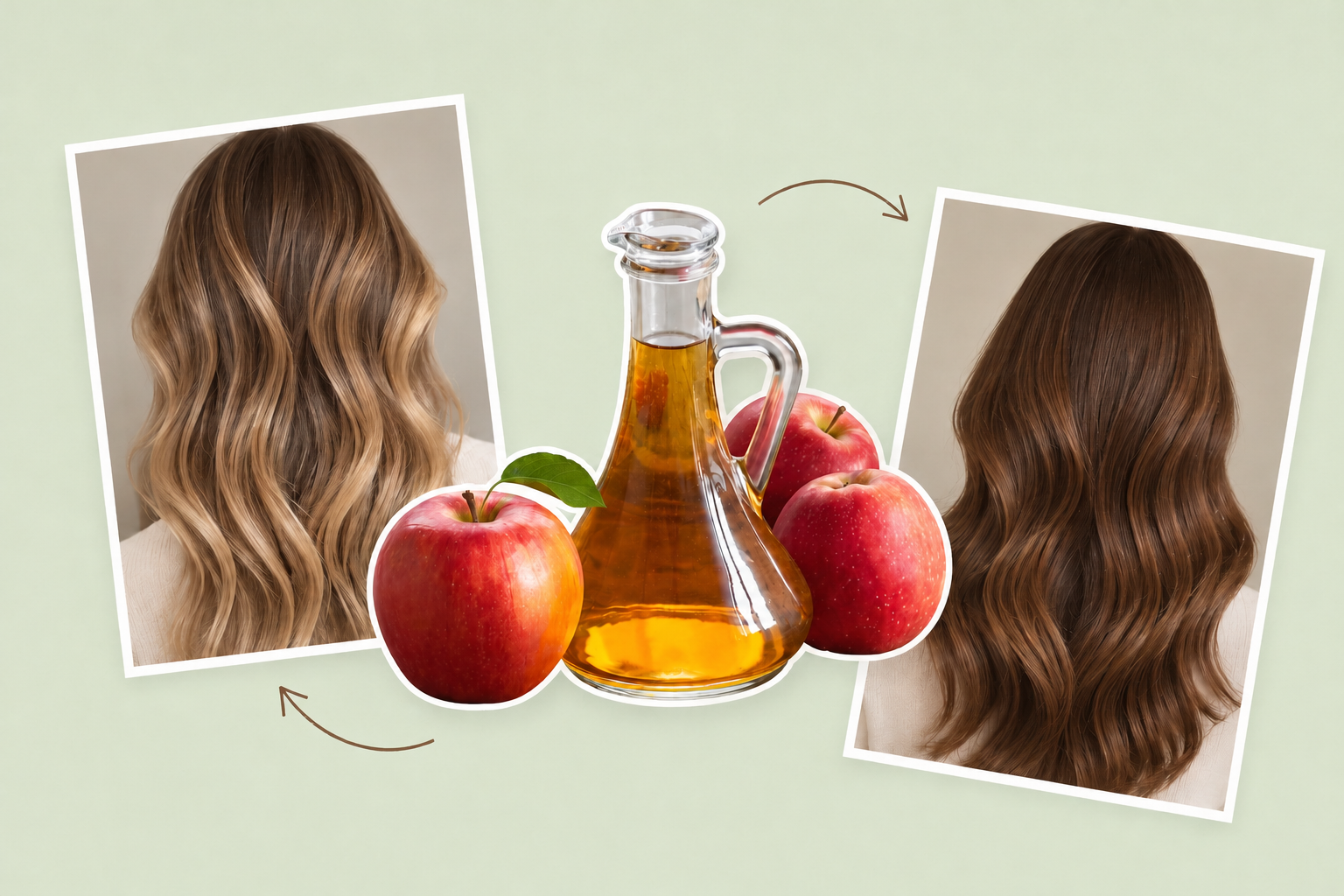
Vinegar has long been known as a versatile household staple, used for cleaning, cooking, and gardening. But did you know it is also used in hair care? Some people believe vinegar can help preserve hair color and improve the condition of your locks. But is that really true?
It all depends on the type of vinegar and its chemical properties. Let's explore how it affects color-treated hair, scalp health, and color longevity, and whether it is worth adding to your hair care routine.
What Is Vinegar?
Vinegar consists primarily of acetic acid and water. Although there are many different types, experts recommend using apple cider vinegar specifically for hair care, especially when it comes to color-treated hair.
Apple cider vinegar is considered a beneficial ingredient for hair and scalp care. Its composition differs from that of regular white vinegar: it is made from crushed apples, with yeast and sugar added during the fermentation process. One of the key factors determining how it affects your hair is its pH level.
The pH scale measures how acidic or alkaline a solution is. Vinegar is highly acidic. When the hair's acid-alkaline balance shifts toward the alkaline side, its porosity increases. As a result, hair loses strength, becomes more vulnerable, and is more prone to breakage.
However, if your hair or scalp is already highly acidic, additional exposure to vinegar may cause dryness and worsen its condition. Thanks to its apple-based composition, apple cider vinegar is generally slightly less acidic than white vinegar.
Can Vinegar Help Seal in Hair Color?

The pH level of apple cider vinegar helps close the hair cuticle after coloring. Thanks to its acidic properties, using it after coloring or washing your hair can help smooth the cuticle scales, which tend to open when exposed to water and the alkaline ingredients found in many hair dyes. Keeping the cuticle closed helps preserve hair color.
So, the answer is yes: apple cider vinegar may help maintain color vibrancy and extend the life of your hair color. The more tightly the cuticle is sealed, the less pigment washes out of the hair.
How Does Vinegar Affect Color-Treated Hair?
As the saying goes, everything is best in moderation. This is especially important when it comes to vinegar. Due to its high acidity and low pH, undiluted apple cider vinegar can damage your hair and cause unwanted effects.
Vinegar itself may also strip hair color and leave behind a distinctive smell.
To maintain your shade's vibrancy, extend the life of your color, and enjoy the additional benefits of apple cider vinegar, always use it in diluted form.
How to Use Vinegar on Color-Treated Hair
Regular shampoo can accelerate color fading, especially if you wash your hair every day. Frequent cleansing also removes the natural oils produced by your scalp, which are essential for healthy hair. That's why it is recommended to occasionally replace your usual shampoo routine with an apple cider vinegar rinse.
An apple cider vinegar rinse gently cleanses the hair while helping preserve the vibrant color you've invested so much time and money in. Its benefits go beyond helping maintain the hair's optimal pH level. Apple cider vinegar can also enhance natural shine and gently exfoliate the scalp. This allows you to cleanse your hair more delicately without stripping away the beneficial substances your hair and scalp need.
Alternative Hair Care for Color-Treated Hair
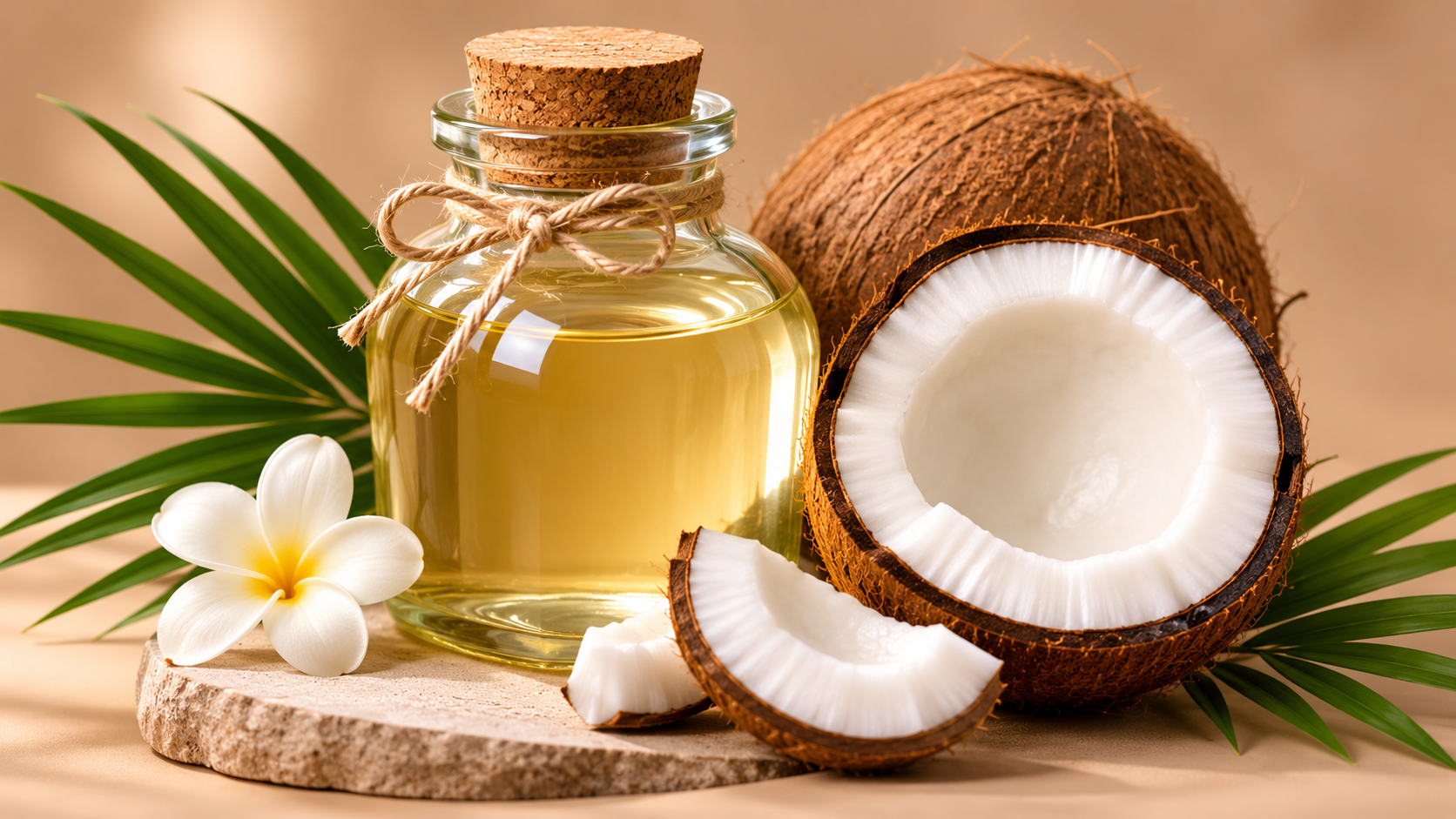
Although other types of vinegar do not offer the same range of benefits for hair and scalp health, there is another great alternative: coconut oil.
Interestingly, coconut oil also has anti-inflammatory properties when applied to the skin. It helps smooth the hair cuticle and lock in moisture, making it an excellent choice for color-treated hair.
Despite its many benefits, coconut oil may leave a slight coating on fine hair that can be noticeable to the touch. However, thicker, more textured hair tends to absorb it well and benefit from its nourishing properties.
Apple cider vinegar can be a useful addition to a color-treated hair care routine. When diluted, it helps smooth the hair cuticle, protecting strands against breakage and damage that may occur when the acid-alkaline balance is disrupted after coloring.
Occasionally replacing your regular shampoo routine with an apple cider vinegar rinse can help refresh your shade, gently cleanse your scalp, and add extra shine. As a result, your locks look healthier and more manageable, while your hair color stays vibrant for longer.
Read also: