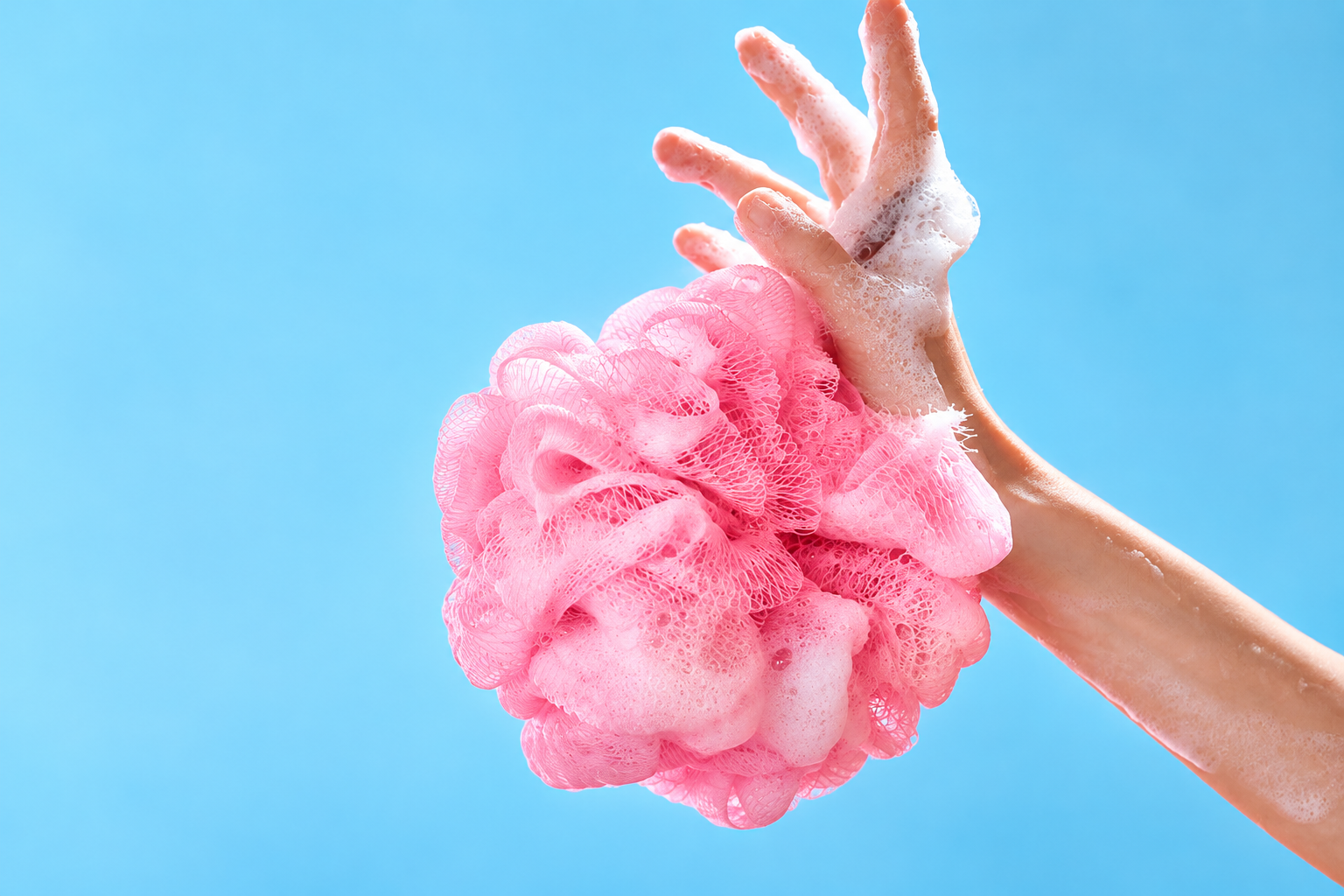
The first and most important step in body care is thoroughly cleansing the skin. Whether you prefer taking a bath or a shower, you can use various accessories to wash your body, including washcloths, loofahs, mesh sponges, or simply your hands. The key is to keep your skin clean and fresh.
But which cleanses your skin better: a loofah or a regular washcloth? Which option is right for you? Read our latest article to discover the pros and cons of each method according to dermatologists and learn their recommendations.
The Science of Proper Body Cleansing
Before exploring the benefits of each body-cleansing accessory, it's important to understand why washing your body matters. Regular washing removes dirt, excess sebum, and microorganisms, including bacteria and fungi, from the skin.
Cleansing also helps prevent clogged pores. According to dermatologists, the buildup of dirt and impurities in the pores can contribute to body breakouts. Another benefit is gentle exfoliation, depending on the accessory you choose. Mild exfoliation during washing removes dead skin cells from the skin's surface, leaving it smoother and softer.
Washcloths
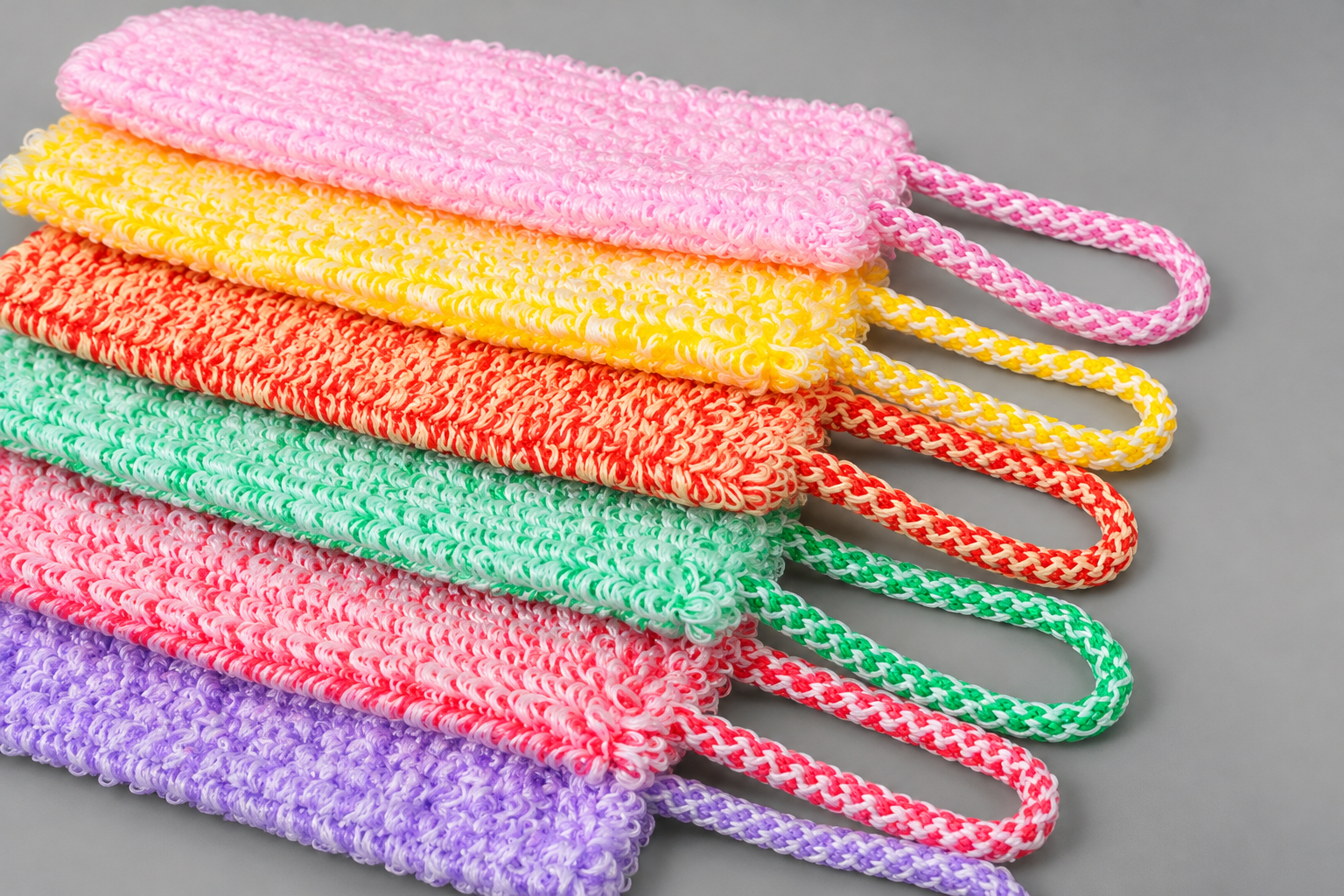
Washcloths are among the most popular accessories for cleansing the skin. They provide gentle exfoliation by creating a mildly abrasive layer between your hand and your skin. They are also an affordable option for every budget. However, washcloths vary not only in price but also in material, with options made from cotton, microfiber, bamboo, or linen.
To avoid damaging your skin's protective barrier, choose washcloths made from the softest materials possible. If you prefer more textured options, avoid scrubbing too vigorously to prevent irritation. To maintain good hygiene, experts recommend using a clean washcloth every time you shower. After use, wring it out and hang it in a dry place to prevent bacteria from multiplying. Remember to wash your washcloths regularly, too.
Loofahs
Loofahs are known for their coarse, spongy, fibrous texture. They have become popular because of their benefits: they help cleanse the skin and stimulate circulation. Loofahs are also valued for their abrasive texture, which promotes mechanical exfoliation by removing dead skin cells.
Although a good-quality loofah can help make the skin smoother, using it more than twice a week may damage the skin's protective barrier and cause redness. People with sensitive skin or chronic conditions such as eczema and psoriasis are better off avoiding loofahs altogether.
To prevent irritation and infections, it's important to clean your loofah regularly. The damp environment of a shower can turn it into a breeding ground for bacteria, especially if it remains wet for long periods and doesn't dry properly.
Store your loofah in a dry, well-ventilated place. Dermatologists recommend machine-washing it at a high temperature. You can also soak it in a solution of baking soda, white vinegar, or diluted bleach and then allow it to air-dry. Loofahs should be cleaned once a week to prevent bacteria from multiplying. Experts also recommend replacing them with new ones every few weeks.
Mesh Sponges
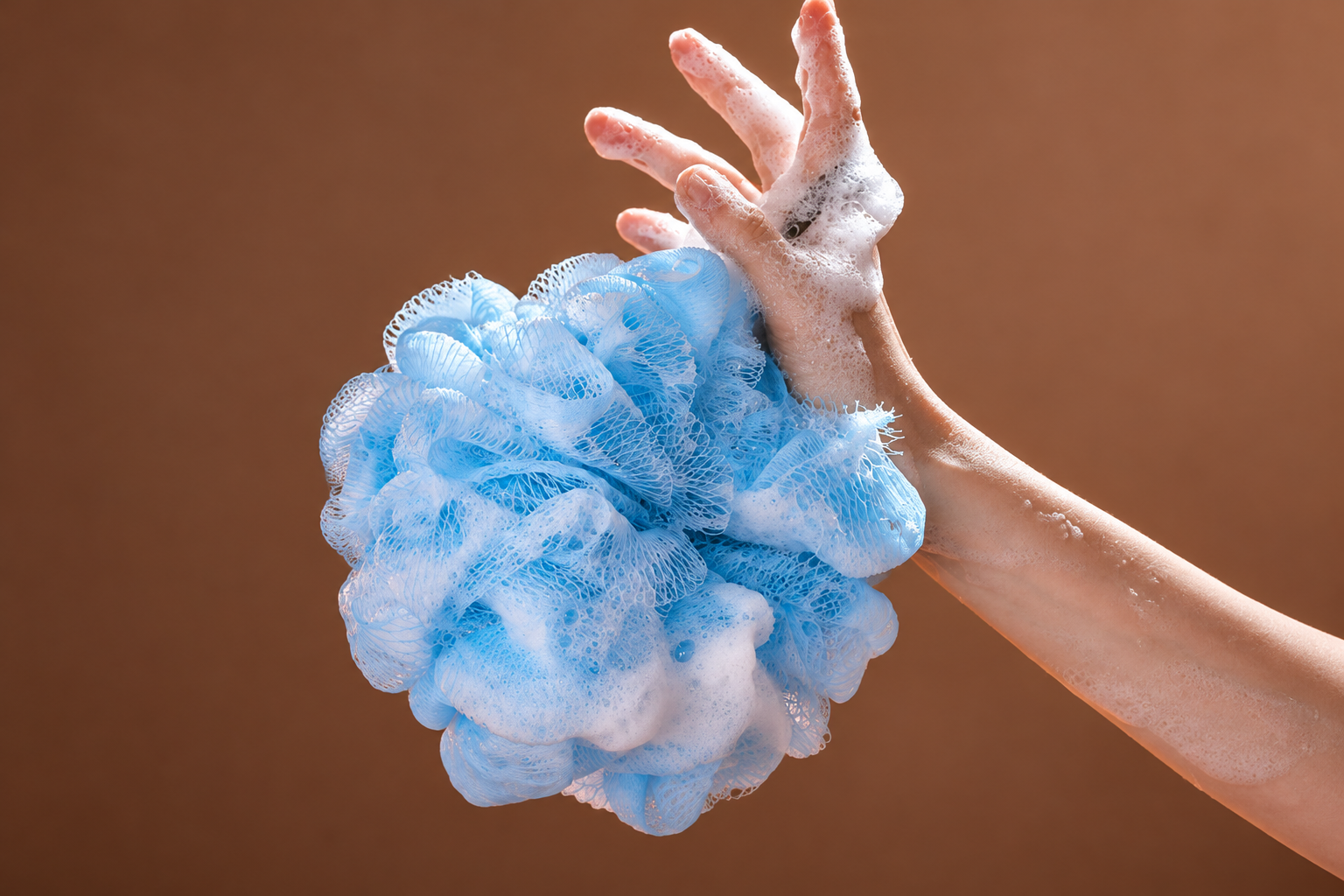
Mesh sponges are loosely woven bathing accessories that have been used in Africa for centuries. Their texture is similar to that of a loofah, and they are typically made from nylon.
Loofahs and mesh sponges serve similar purposes. Mesh sponges have become more popular because they provide the same mechanical exfoliation as loofahs, but their porous structure allows them to dry faster between uses, making them more hygienic.
However, mesh sponges also have drawbacks. Like any exfoliating tool, they can damage the skin's protective barrier if used too aggressively. This is particularly important for people prone to eczema flare-ups, redness, irritation, and post-inflammatory hyperpigmentation.
At the same time, mesh sponges don't need to be replaced or washed as frequently as loofahs. With proper care, whether hand-washed or machine-washed, most can last one to two years. Check the manufacturer's instructions for recommended cleaning and storage practices.
Hands
Some people skip washcloths and other body-cleansing accessories, preferring to wash with their hands alone. Dermatologists consider this an effective method, especially for sensitive skin. Washing with your hands is gentle on the skin and helps prevent excessive exfoliation and damage to the skin barrier. Another advantage? According to dermatologists, washing with your hands is more convenient and cost-effective than other methods.
However, if you want to exfoliate your skin, your hands alone won't be enough. When using this cleansing method, it's important to follow a few precautions. Wash your body with clean hands and rinse off soap thoroughly, as residue can cause irritation and contact dermatitis.
Combining Cleansing Methods
In some cases, double cleansing your body may be beneficial. The key is not to overdo washing or exfoliation, as this can disrupt the skin's natural protective barrier. If irritation occurs, reduce the intensity of your routine and always finish by applying a body lotion or moisturizer. For example, try a fragranced body lotion from Global Fashion.
A deeper cleanse may be helpful after an intense workout, a day at the beach with sunscreen on your skin, or when removing self-tanner. Similar to shampooing your hair twice, you can first apply a cleansing product with your hands and then use a washcloth or an exfoliating mitt for additional exfoliation.
Special exfoliating mitts are available for removing self-tanner residue. However, they shouldn't be used daily, as they are designed to exfoliate the upper layer of the skin along with the remaining tan.
Every cleansing method—whether you choose washcloths, loofahs, mesh sponges, your hands, or exfoliating mitts—has its own advantages and disadvantages. Your choice depends on your skin's needs, the results you want to achieve, and your willingness to clean your accessories regularly. There is no single right answer: the best method depends on your individual needs and skin type.
Читайте также: