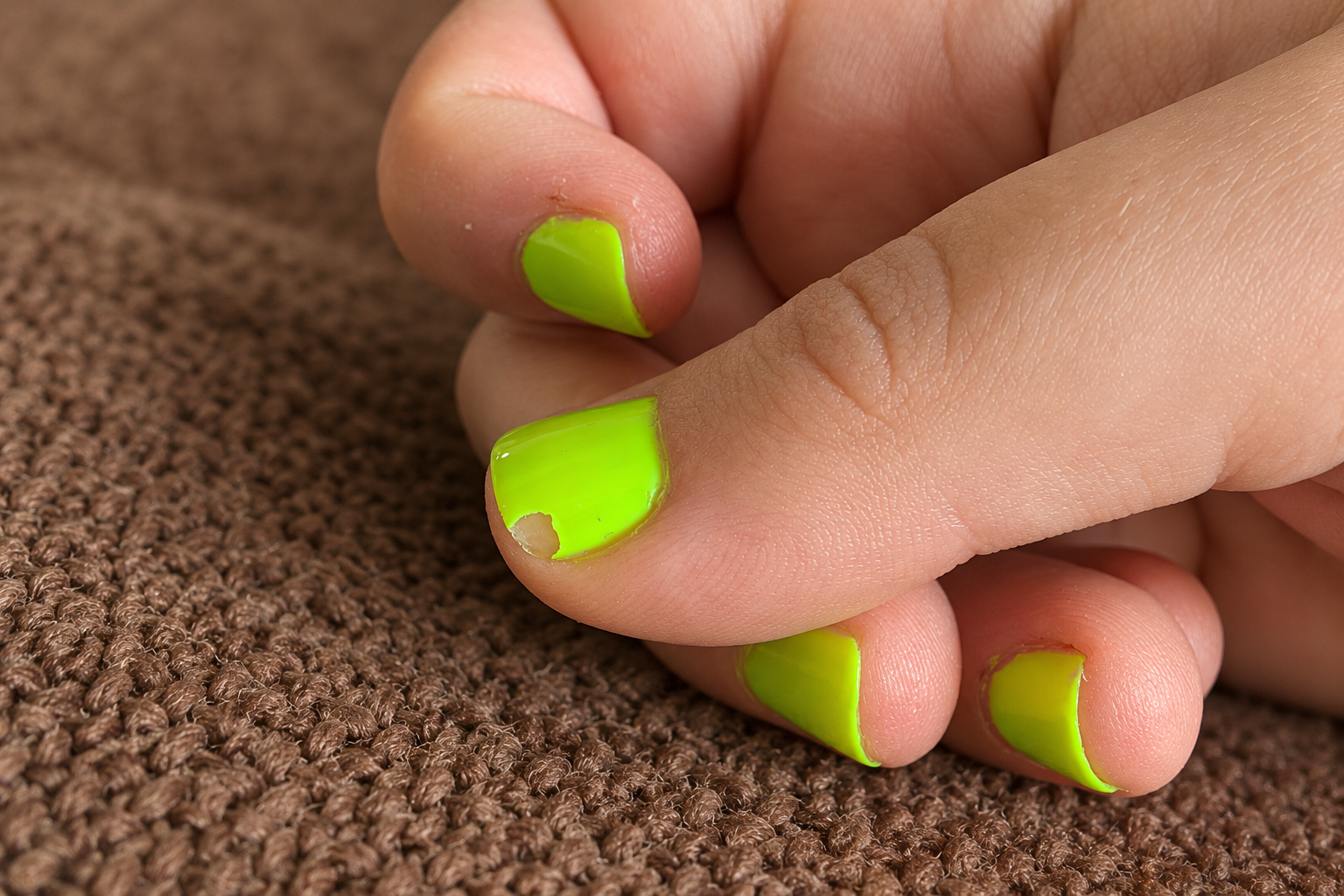
Many nail technicians struggle with gel polish chipping at the tips of the nails and the coating lifting prematurely. Beginners, in particular, often encounter these problems. Poor wear is frequently blamed on low-quality products, but this is not always the case. Even a high-quality gel polish can quickly lose adhesion to the nail plate if mistakes are made during nail preparation or product application.
Why Does Gel Polish Chip?
Chipping can result from mistakes made during the manicure procedure or from the client's habits. The durability of the coating depends on proper nail plate preparation, the correct choice of products, application technique, and aftercare.
Nail Technician Mistakes That Cause Gel Polish to Chip:
1. If the nail plate is not properly prepared before applying a new coating and traces of the previous product remain, the gel polish may start chipping shortly after the manicure.
2. If the technician fails to degrease the nail plate before applying the coating, the gel polish may not adhere properly to the nail surface.
3. Applying the base coat too thickly can disrupt the proper structure of the nail, negatively affecting the coating's durability and wear time.
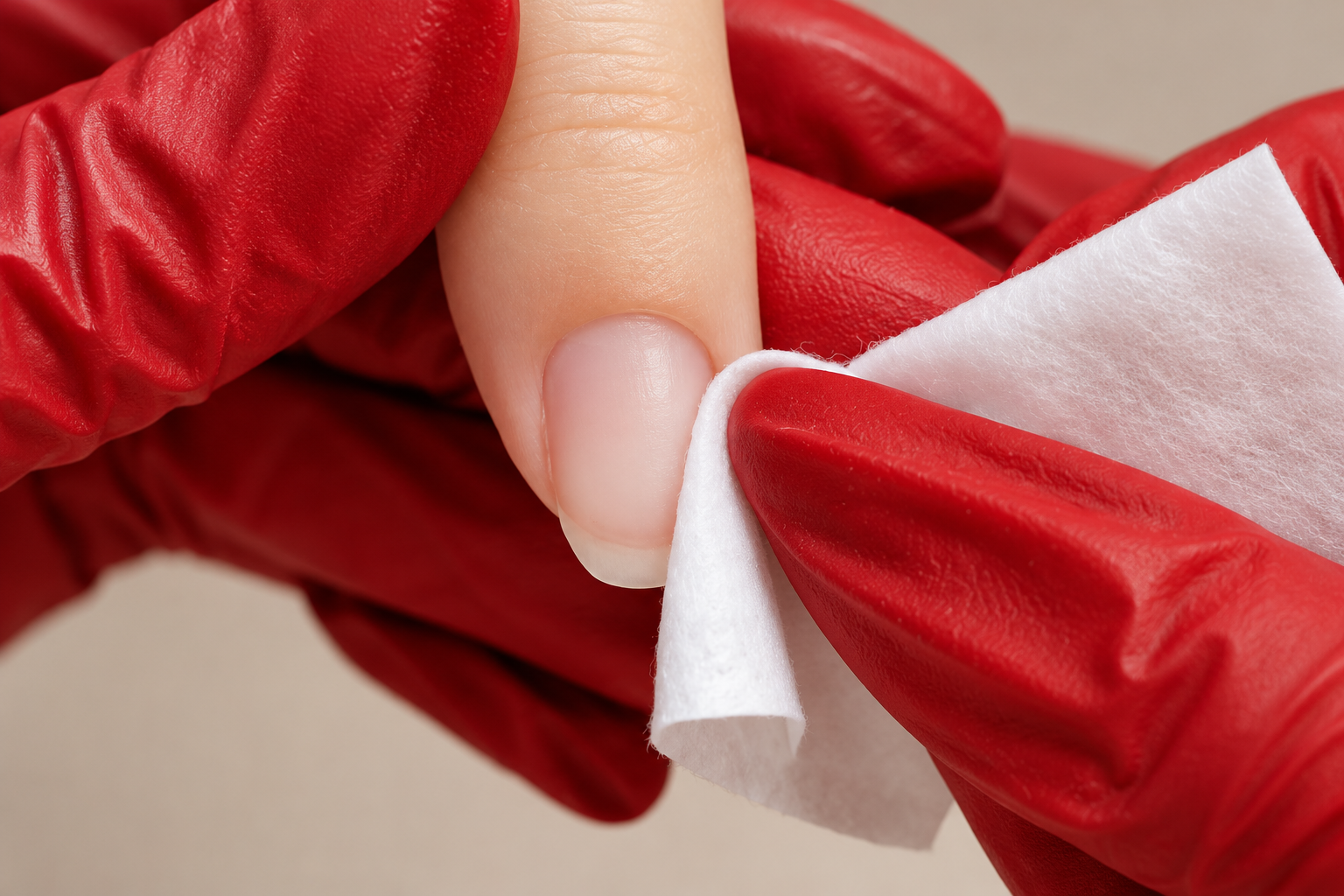
4. Insufficient curing time or a malfunctioning lamp. These factors usually cause gel polish to lift rather than chip.
5. The top coat does not cover the entire nail surface evenly, leaving certain areas unprotected.
Client Mistakes That Cause Gel Polish to Chip:
1. The client exposes their hands to water immediately after the manicure.
2. The client visits a spa before the gel polish application, potentially leaving traces of cosmetic products on the nail plates. Even after degreasing, a thin oily film may remain on the nail surface.
3. If the nail plate is damaged, it is best to focus on strengthening and restoring the nails before applying gel polish.
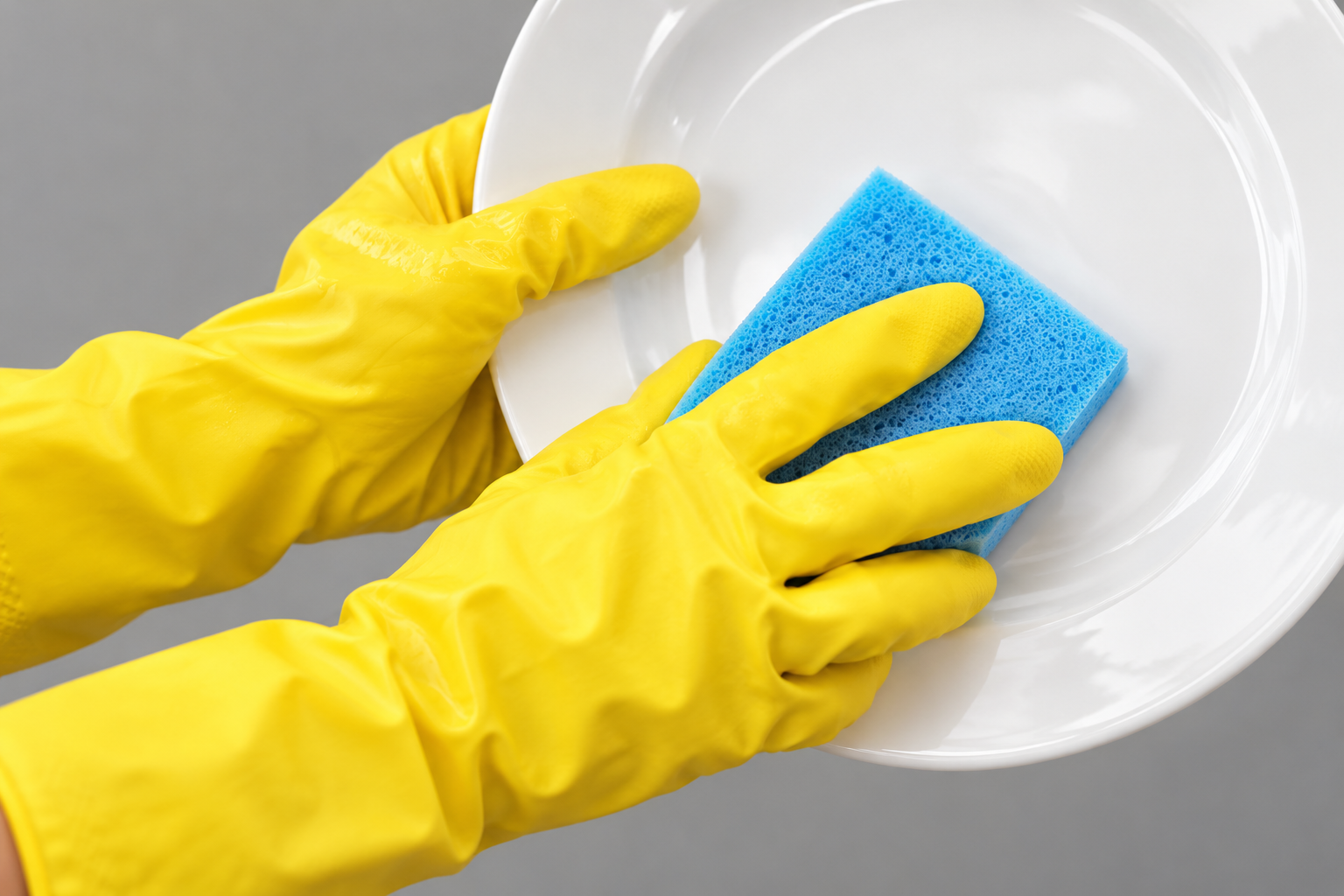
4. The client regularly comes into contact with harsh household cleaning products or washes dishes without wearing protective rubber gloves.
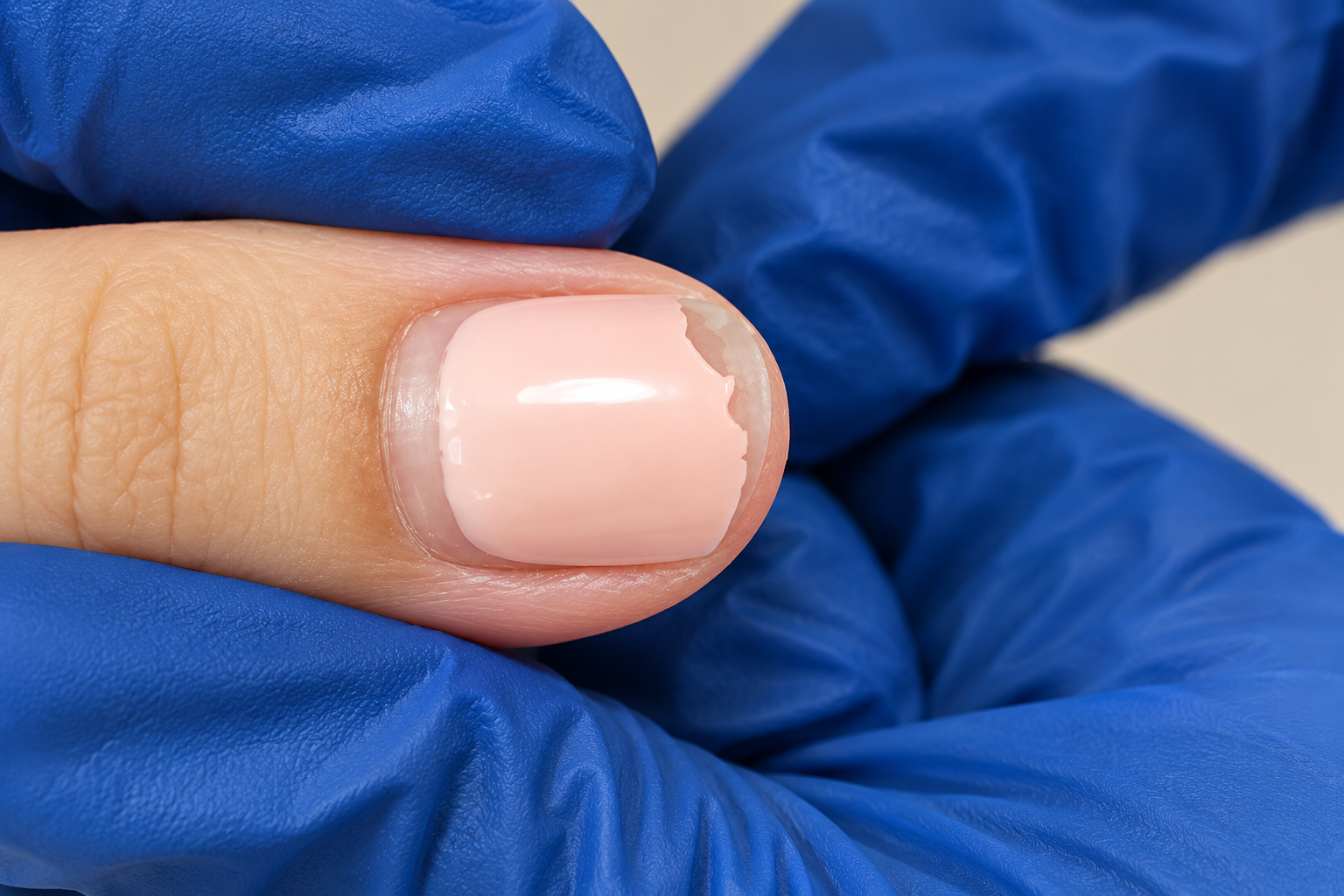
Another cause of gel polish lifting is wearing the coating for too long without timely maintenance. Over time, adhesion between the product and the nail plate weakens. Therefore, it is generally recommended to refresh the manicure approximately every three weeks. Neglecting this recommendation may allow the lifted coating to damage the nail or cause the free edge to break.
Other Factors That Can Cause Gel Polish to Lift
Other Factors That Can Cause Gel Polish to Lift
Even when the application technique is correct, professional products are used, and the client follows proper aftercare, the coating may still begin to lift. Other contributing factors include:
1. Excess fluid retention in the body due to excessive water intake or disturbances in the body's water and electrolyte balance.
2. Certain health conditions, including diabetes, hormonal imbalances, and cardiovascular diseases.
3. Taking certain medications.
4. Mechanical damage to the coating caused by contact with hard objects.
How to Fix the Problem
Even an experienced nail technician who understands the causes of chipping cannot always guarantee a perfectly long-lasting manicure. Using high-quality products and thoroughly preparing the nail plate reduces the risk of damage, but gel polish may still begin to lift in certain areas.
If gel polish starts lifting from the nail plate, the problem can be addressed in one of two ways:
1. Completely redoing the coating. This option is suitable when a significant portion of the product has lifted. The technician removes the existing coating, prepares the nail plate, and reapplies the gel polish.
2. Repairing a small chip. This method is suitable when there is little time for a full correction and only a small corner of the coating is damaged. First, carefully file the edges of the lifted area and remove the top coat from the surface. Then apply a thin layer of base coat or gel over the entire nail plate, paying particular attention to the chipped area and adding a little extra product there. Finally, apply colored gel polish and seal the result with a top coat.
How to Apply Gel Polish: A Step-by-Step Guide
Understanding the causes of gel polish chipping helps prevent common application mistakes. To achieve a neat, long-lasting manicure, follow these essential recommendations:
1. When removing the previous gel polish coating, make sure to remove all remaining product. Pay particular attention to the lateral nail folds, where residue can accumulate. A carbide nail drill bit is commonly used to remove the old coating and smooth the nail surface.
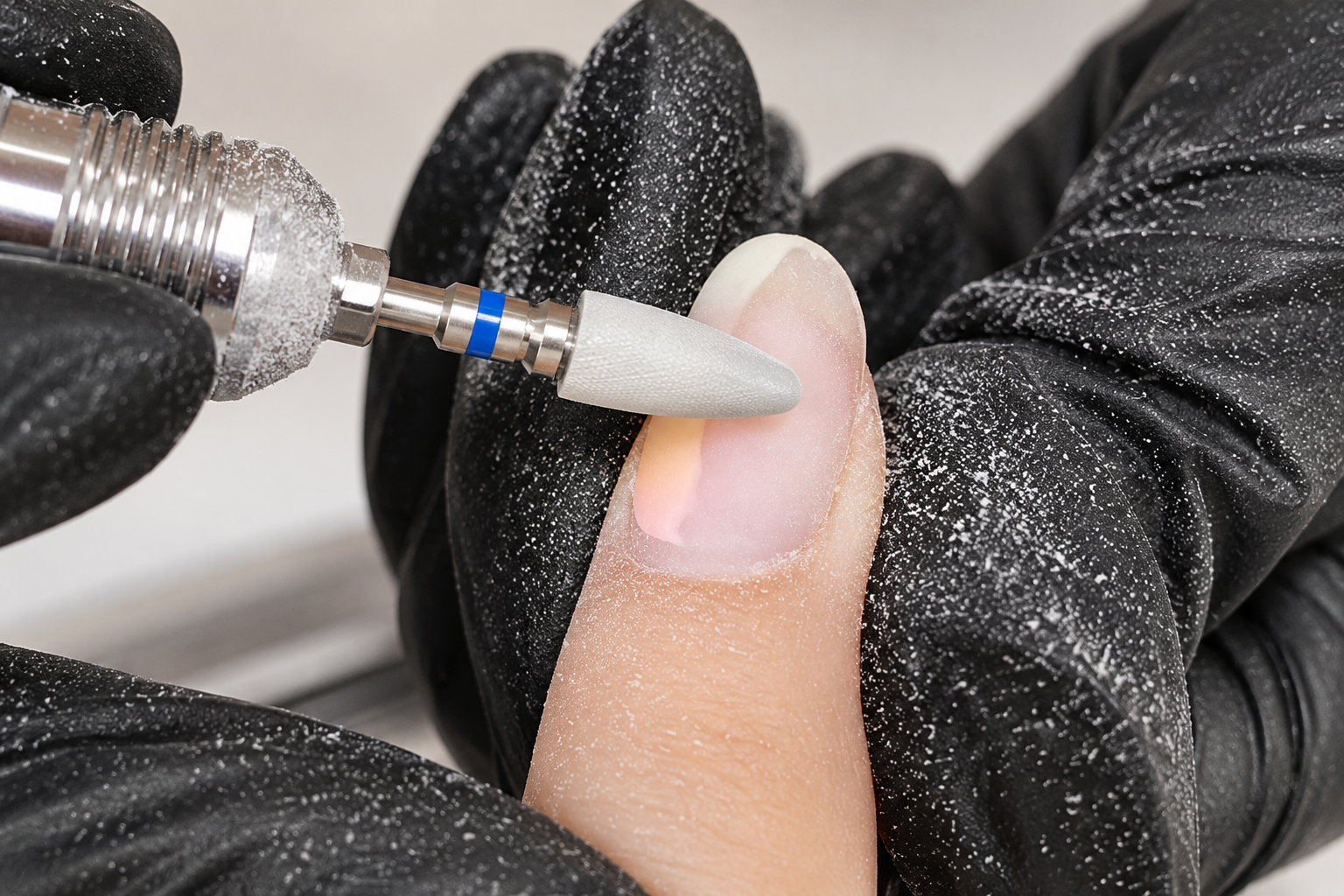
2. After removing the old coating, gently prepare the nail surface with a nail file and buffer. Proper preparation is essential for good adhesion. Skipping this step may cause the coating to lift prematurely. Use a diamond drill bit to carefully clean the cuticle area and lateral nail folds while minimizing the risk of skin damage.
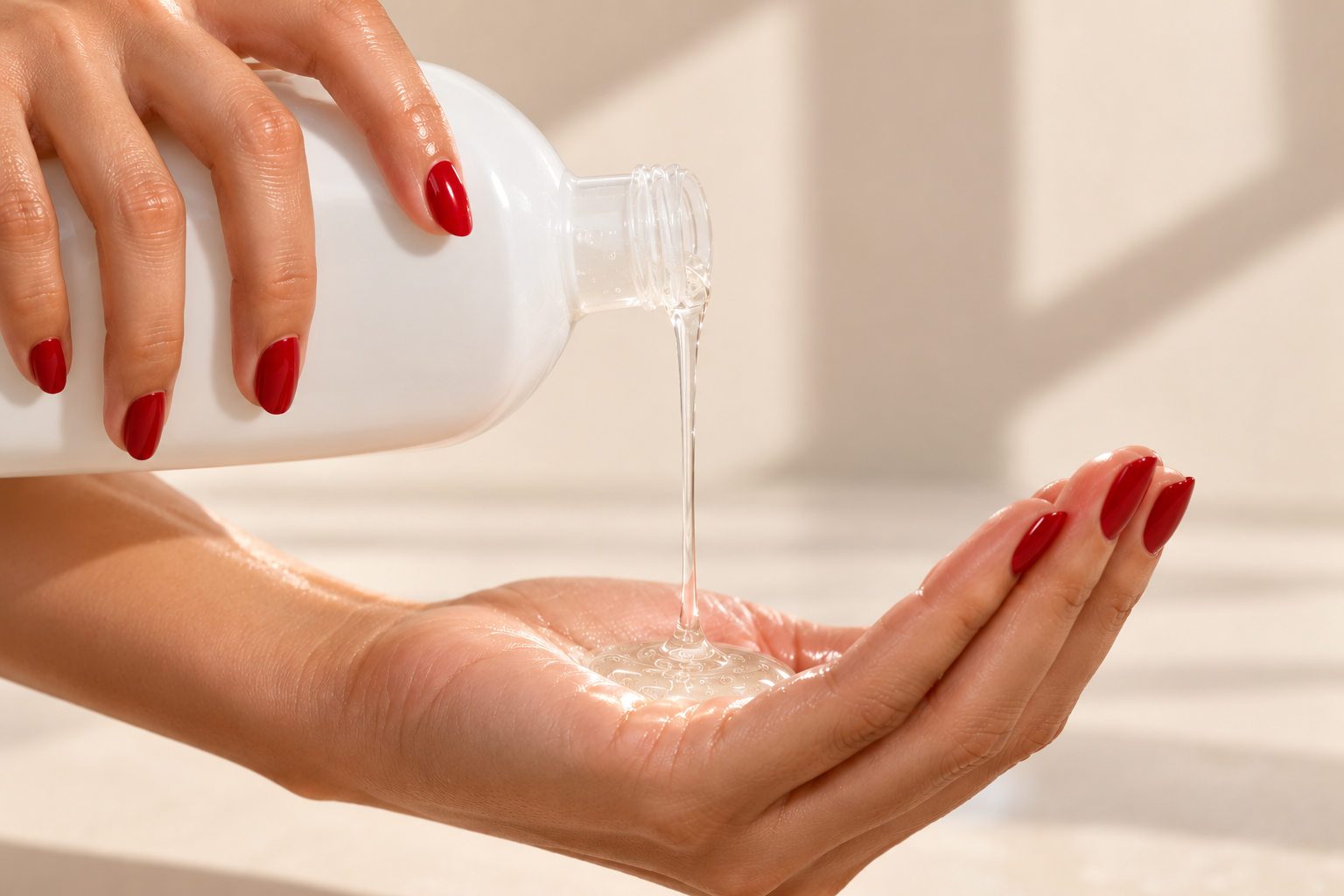
3. Before applying gel polish, thoroughly prepare the nail plate and remove any remaining oils and cosmetic products. Use a nail dehydrator or degreasing solution to help improve adhesion and reduce the risk of lifting. If necessary, apply a primer or Ultrabond to further promote adhesion.
4. Apply gel polish evenly in a medium-thin layer. To improve durability, cap the free edge at every stage of application. Any product that gets onto the skin must be removed with an orange wood stick before curing, as contact with the skin can contribute to lifting.
5. When working with builder gel or base coat, make sure the nail's architecture is properly constructed. Uneven surfaces can contribute to coating separation.
6. During the procedure, make sure the client keeps their hands in the lamp for the recommended curing time. To avoid tracking the time manually, use the lamp's built-in timer.
6. During the procedure, make sure the client keeps their hands in the lamp for the recommended curing time. To avoid tracking the time manually, use the lamp's built-in timer.
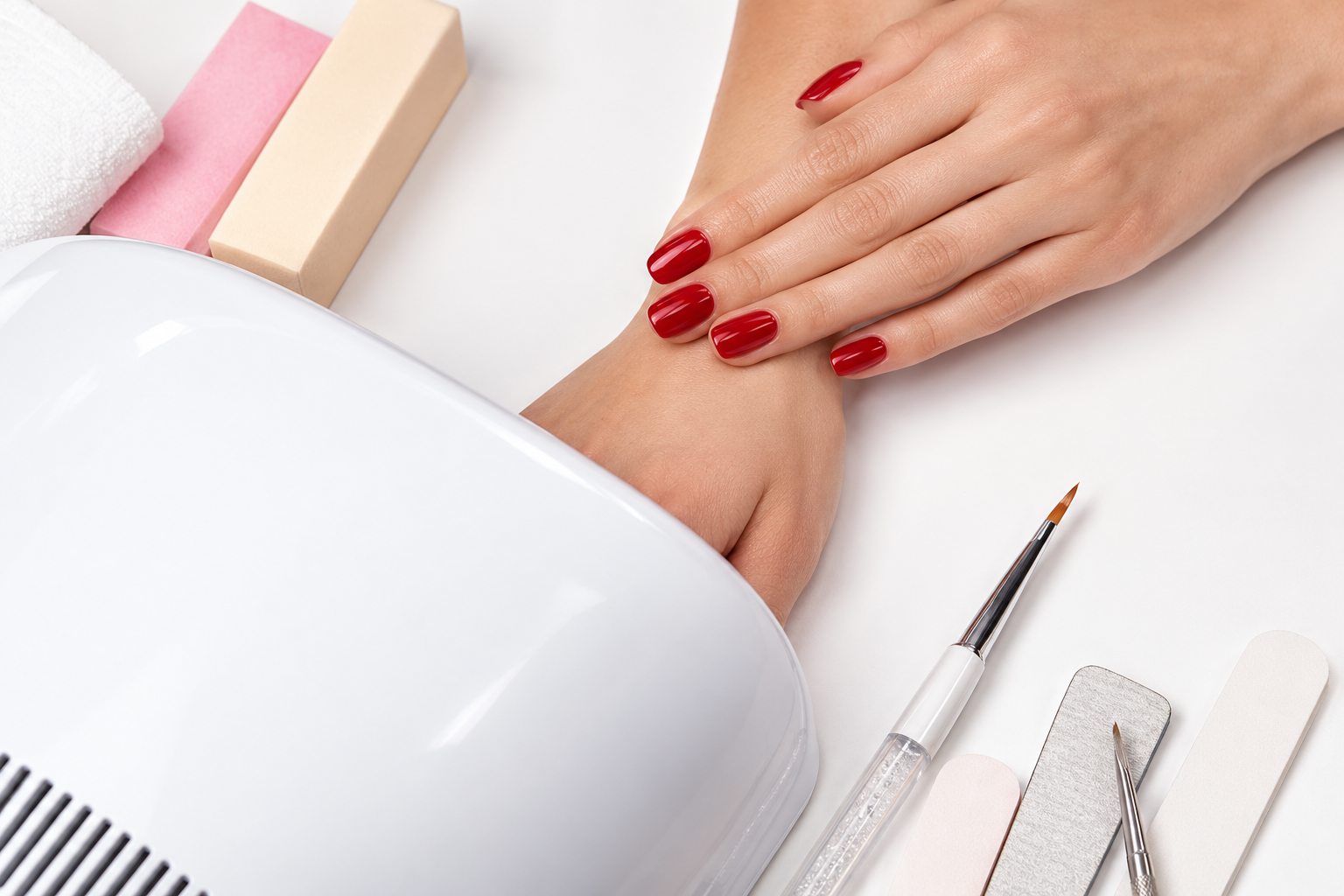
It is also important to explain proper gel polish aftercare to clients to help maintain the coating's strength and attractive appearance. Avoid prolonged exposure to water immediately after the procedure. During the first 24 hours, it is best to avoid saunas, swimming pools, and spa treatments. When doing household chores, wear rubber gloves to protect the coating from prolonged contact with moisture.
What to Look for When Buying Nail Products
Gel polish may frequently lift at the nail tips because of the poor quality of the products used. To help the coating last longer and prevent it from separating from the nail plate, choose reliable products. Consider the following criteria when shopping:
1. Choose base coats, gel polishes, and top coats from reputable brands with a proven track record. If you have never heard of a product and cannot find reliable reviews, it is better to avoid purchasing it. Choose Global Fashion — an international brand trusted in Moldova and beyond — and create beautiful, long-lasting manicures without overspending! Find the right nail products in our catalog and discover that professional quality can be affordable.
2. Store gel polishes in a dry place away from direct sunlight. It is equally important to check the expiration dates of all products.
3. Avoid using worn-out nail files and buffers, as they can leave an uneven surface along the free edge, causing gel polish to apply unevenly.
4. All LEDs in the lamp should function properly, so inspect its interior regularly. If an LED stops working, have it repaired or replace the lamp if necessary.
5. Diamond drill bits should generally be replaced every two to three months when used frequently. Over time, they become clogged and less effective, making it harder to remove product residue and pterygium, the thin layer of non-living tissue that adheres to the nail plate beneath the cuticle.
It is important to remember that nail health and appearance depend not only on the quality of the products used but also on the correct execution of every stage of the manicure. Following the proper technique and providing appropriate aftercare can help reduce the risk of defects and keep the coating looking good for longer.
In addition, each client's individual needs should be taken into account, including their preferences, nail condition, and daily habits. Choosing suitable products and application techniques based on these factors can help achieve a neater, more durable result.
Try Global Fashion Gel Polishes for Yourself