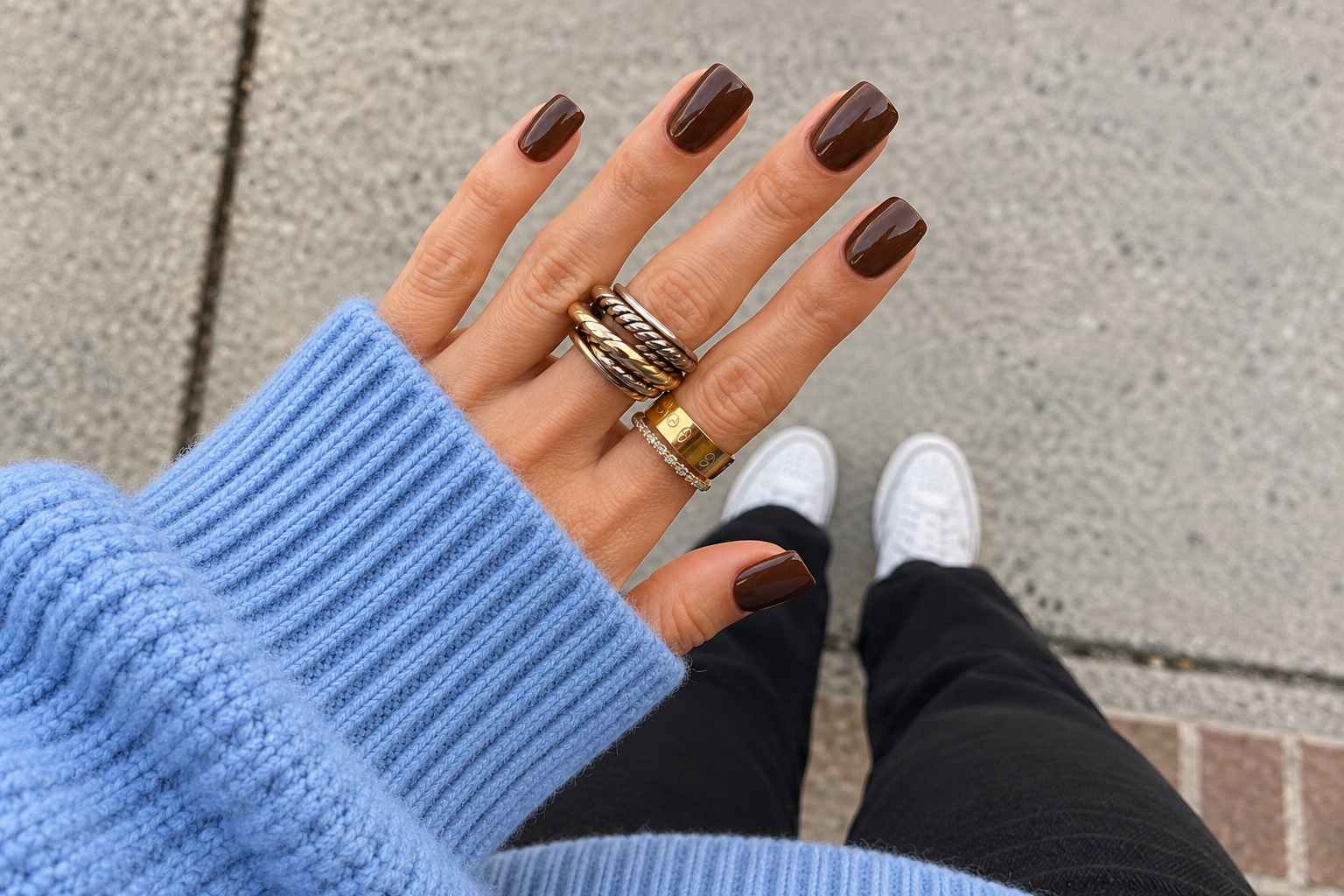
DipPowder Nails vs. Gel Polish: What’s the Difference and Which Should You Choose?
Today, there are many types of manicures, but dip powder and gel polish remain among the most popular options. Both provide a beautiful, long-lasting finish that resists chipping. But how do they differ in terms of quality and safety? In our latest article, we explain the key differences between these two types of nail coatings.
What Is Dip Powder?
Dip powder is a type of acrylic powder that contains polymers to create a durable coating and help a manicure last up to four to five weeks. It is ideal for strengthening natural nails and achieving a long-lasting manicure.
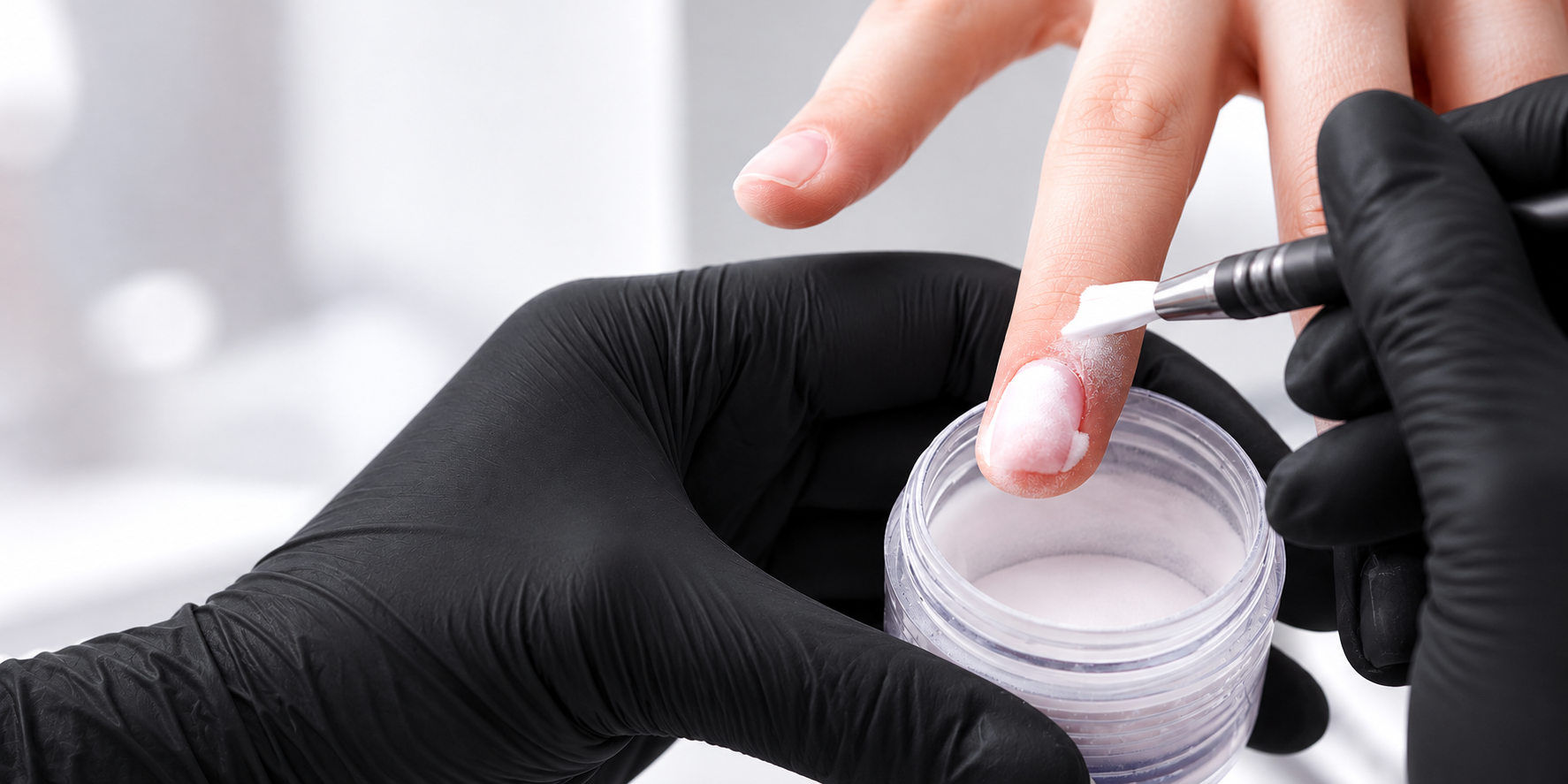
Here's how it works:
• First, a bonder and base coat are applied to the nails. • Next, each nail is dipped into colored powder. To achieve a more intense shade, the process is repeated one or two more times. • The nails are then buffed and filed. A liquid sealant is applied to help the powder harden and secure the coating. • The final step is applying a top coat to give the nails a glossy finish. Some nail technicians use a clear gel top coat instead, curing it under a UV or LED lamp.
When getting a dip powder manicure at a salon, hygiene is an important consideration. If several clients dip their nails into the same jar of powder, the product can become contaminated and harbor bacteria, especially if someone has scratches or cuts. Dipping unwashed hands into a jar of dip powder increases the risk of contamination and infection. To avoid this, ask your nail technician to apply the powder directly to your nails instead.
Some clients report a runny nose, coughing, and a sore throat—symptoms often referred to as "dip flu." To reduce the risk of these reactions, ensure proper air circulation by using a fan, opening a window, or wearing a mask.
What Is Gel Polish?
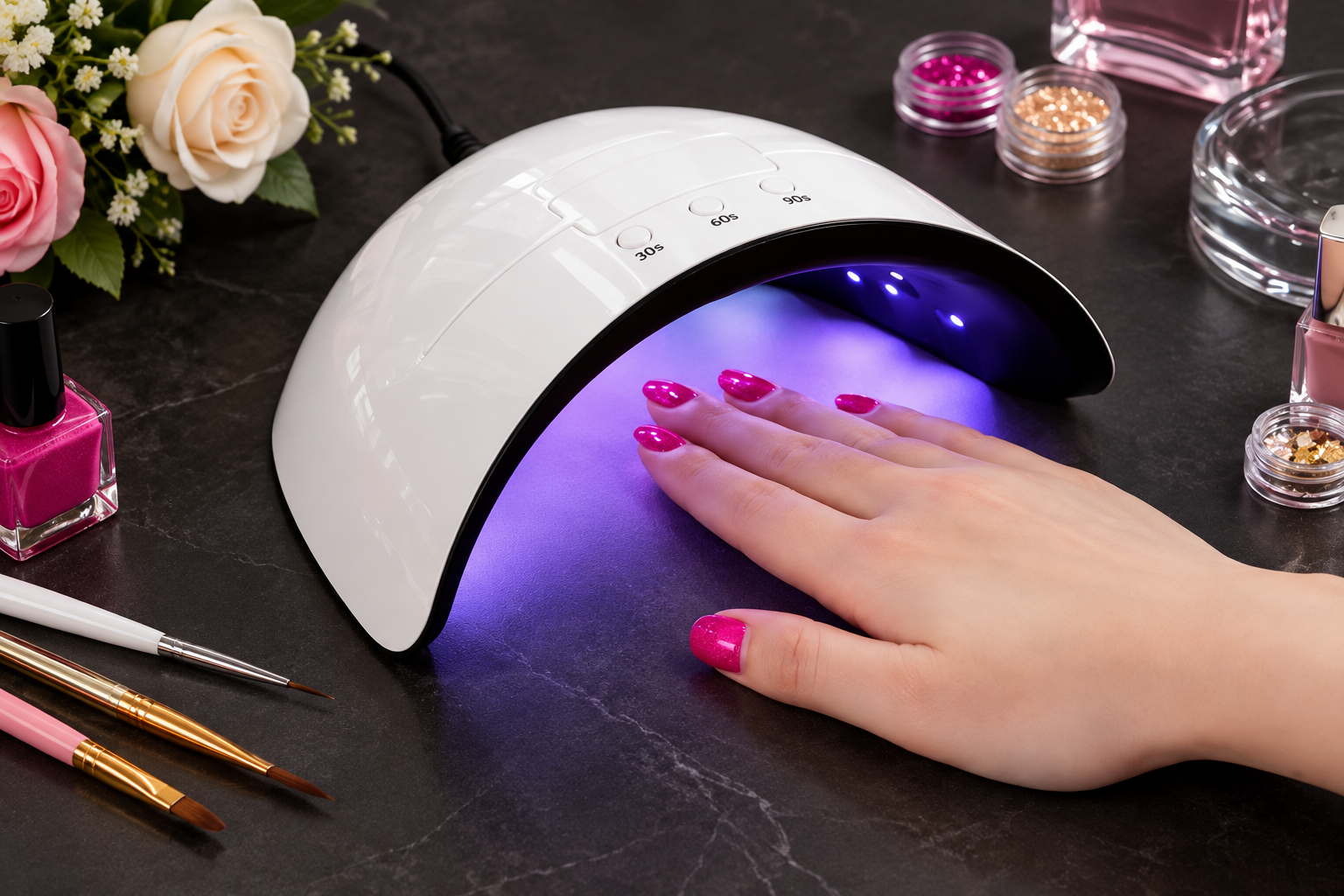
Gel polish is applied much like regular nail polish: a base coat is followed by a color coat and a top coat. However, each layer must be cured under a UV or LED lamp for 30–60 seconds. Today, most salons use LED lamps.
Gel polish is a liquid resin-based product. It contains photoinitiators that react to LED or UV light, allowing the coating to harden quickly. LED lamps shorten curing time and generally result in less UV exposure than traditional UV lamps. Gel Polish vs. Dip Powder Nails
Gel polish strengthens the nails and adds durability while maintaining flexibility, although it may begin to peel over time. It also allows for a wide variety of nail art designs, whereas dip powder offers fewer options.
Gel polish is popular for its durability, with a manicure typically lasting two to three weeks without chipping.
Is Gel Polish Safe?
It's important to take precautions when using gel polish. Prolonged contact with the skin can cause allergic contact dermatitis, which may be accompanied by itching. Over time, the reaction can spread to other parts of the body. Small red bumps or blisters may also develop. To prevent irritation, avoid getting gel polish on your skin.
If it does come into contact with your skin, remove it before curing it under the lamp.
It's also important to consider UV exposure from nail-curing lamps. For additional protection, wear UV-protective gloves that leave only the nails exposed. Apply sunscreen to your hands before the procedure. These measures can help reduce UV exposure.
Dip Powder or Gel Polish: What's the Difference?
• Application: Dip powder manicures do not require a UV or LED lamp, as each layer dries in the air. Gel polish, on the other hand, must be cured under a lamp for 30–60 seconds per layer.
• Appearance: One of the main differences between dip powder and gel polish is the presence of polymers, which give the coating its distinctive texture. Dip powder manicures tend to be thicker, and the application technique differs because of the polymer-based formula.
• Versatility: Gel polishes offer a wider range of shades and finishes, from sheer to matte. Their liquid consistency also makes them suitable for intricate nail art. Dip powders generally come in a more limited selection of opaque shades and glitter colors, with fewer possibilities for nail art.
• Removal: Both dip powder and gel polish are removed using acetone. First, the top layer of the coating is filed down. Then, cotton pads soaked in acetone are placed on the nails and wrapped in foil. However, dip powder tends to last longer than gel polish, making it more difficult to remove. Improper application or removal can damage the nails.
When choosing between a dip powder manicure and gel polish, there is no single right answer. Neither technique is inherently better for your nails, so the best choice depends on your preferences. Both provide a durable coating with a beautiful glossy finish. Consider your nail condition, budget, and desired wear time when making your decision.
Dip powder is a good option for those who prefer to avoid UV or LED lamps. If you enjoy intricate, detailed nail art, gel polish may be the better choice. Consult an experienced nail technician who can recommend the right product based on your needs and nail condition.
Both techniques can be safe when used correctly, but mistakes during application or removal can damage the nails. Dip powder and gel polish are safe when the correct application techniques are followed, appropriate precautions are taken, and quality products are used.
Global Fashion gel polishes combine high quality with affordable prices. Our collection features more than 400 shades, from classic colors to the latest trends, so you can create a manicure to suit any style.